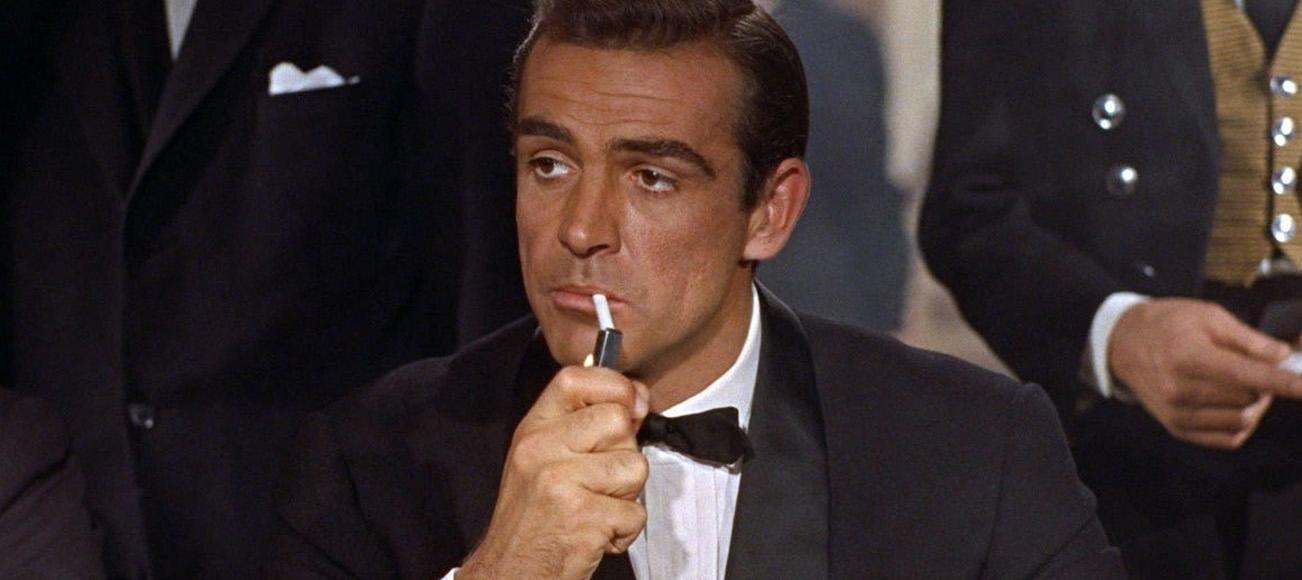
Who is James Bond?: The Name That Pops Up in EVERY Spy Movie

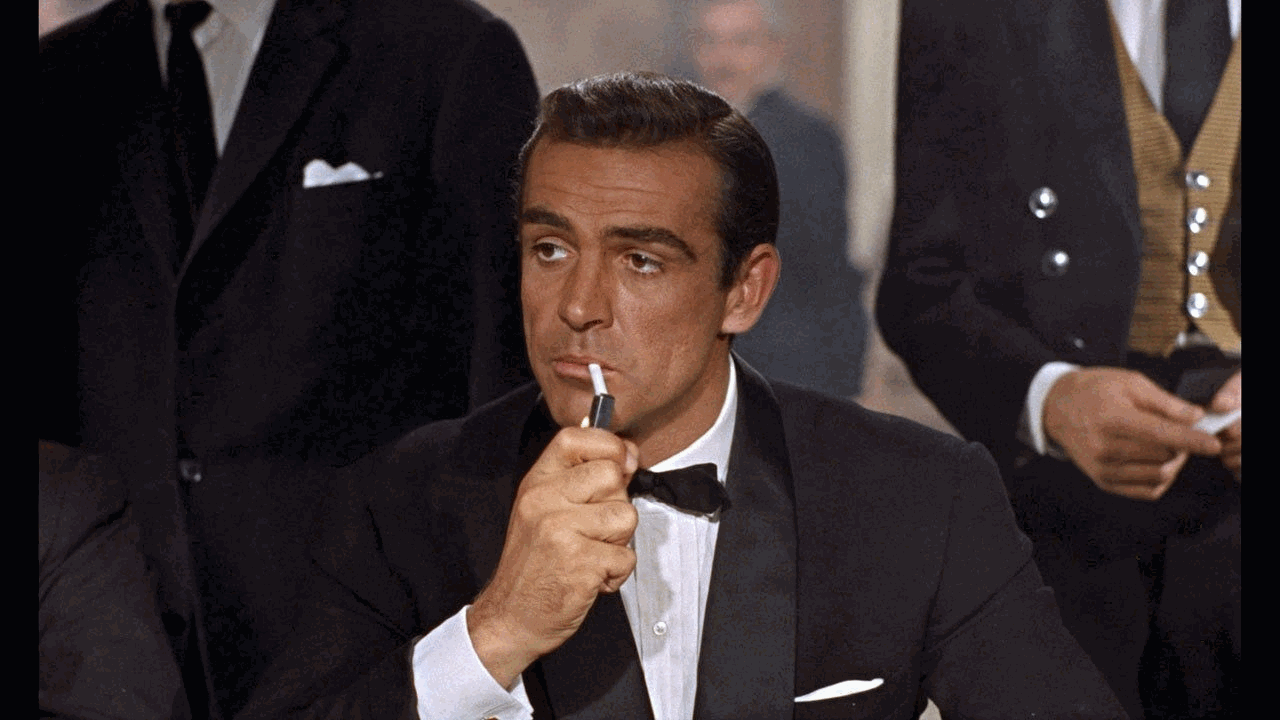
Meet James Bond, the MI6 agent whose Double-O status grants a licence to kill.
The Character Behind the Codename “007”
You know James Bond as 007, the British intelligence officer who serves MI6. Ian Fleming created him for fiction, where his Double-O status grants him a licence to kill on assignment.
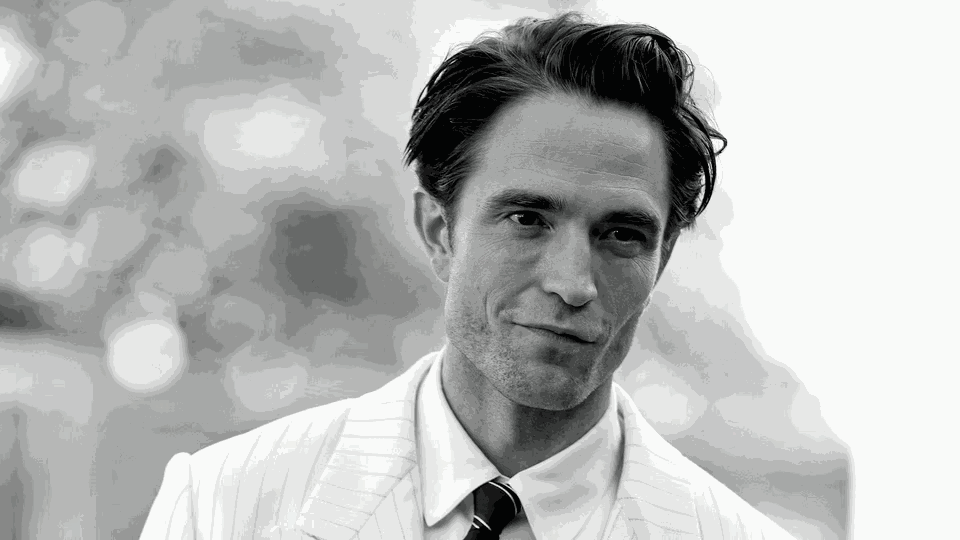
As of writing, the new James Bond is announced to be Robert Pattinson by the official James Bond channel:
Ian Fleming’s Spy: From Page to Screen
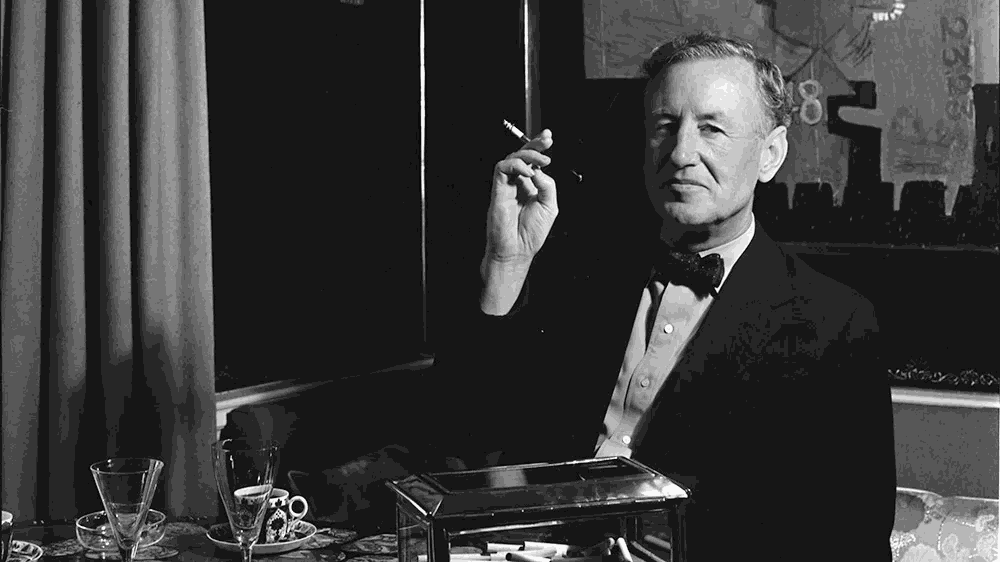
Ian Fleming introduced Bond in Casino Royale in 1953, before Sean Connery’s Dr. No in 1962.
You first meet Bond in Ian Fleming’s Casino Royale, published in 1953. Fleming drew on people he encountered during his wartime naval intelligence service, adding his own tastes in food, drink, and clothes.
He borrowed the name James Bond from an American ornithologist whose bird guide he owned. The fictional Bond holds the rank of commander in the Royal Naval Reserve and has Scottish and Swiss ancestry.
Bond reached television in a 1954 adaptation of Casino Royale, with Barry Nelson playing an American version. Sean Connery launched the official film series with Dr. No in 1962. Across later portrayals, you encounter different interpretations of the same central character, from dryly amused professional to visibly damaged operative.

Like 007, we are also some sort of spies ourselves at TGV! Did you know at TGV Home of Heroes, we sent our agents to complete missions and quests with some really REALLY nice rewards? Enter our HQ to find out more!
MI6, the Double-O Status, and a Licence to Kill
Within Bond’s fictional MI6, you find him in the Double-O section, an elite group authorised to use lethal force during missions. His designation is 007, pronounced “double-O seven.” M, the head of the service, directs his assignments.
In Fleming’s Casino Royale, Bond explains that two killings earned him Double-O status. His work includes investigating enemy operations, gathering intelligence, and stopping threats to British security. The licence gives him considerable discretion, alongside responsibility for his decisions.
You also see the distinction between Bond’s identity and his service number in No Time to Die (2021). After Bond leaves active service, MI6 assigns 007 to Nomi, another agent. James Bond remains his personal name; the service controls the number.
The James Bond Movies in Order and Where You Should Start
The James Bond movies include 25 Eon Productions films and two separately produced theatrical releases. You can follow release order from Dr. No, sample different actors, or watch Daniel Craig’s five-film story from Casino Royale.
The Early Films: Dr. No Through Diamonds Are Forever
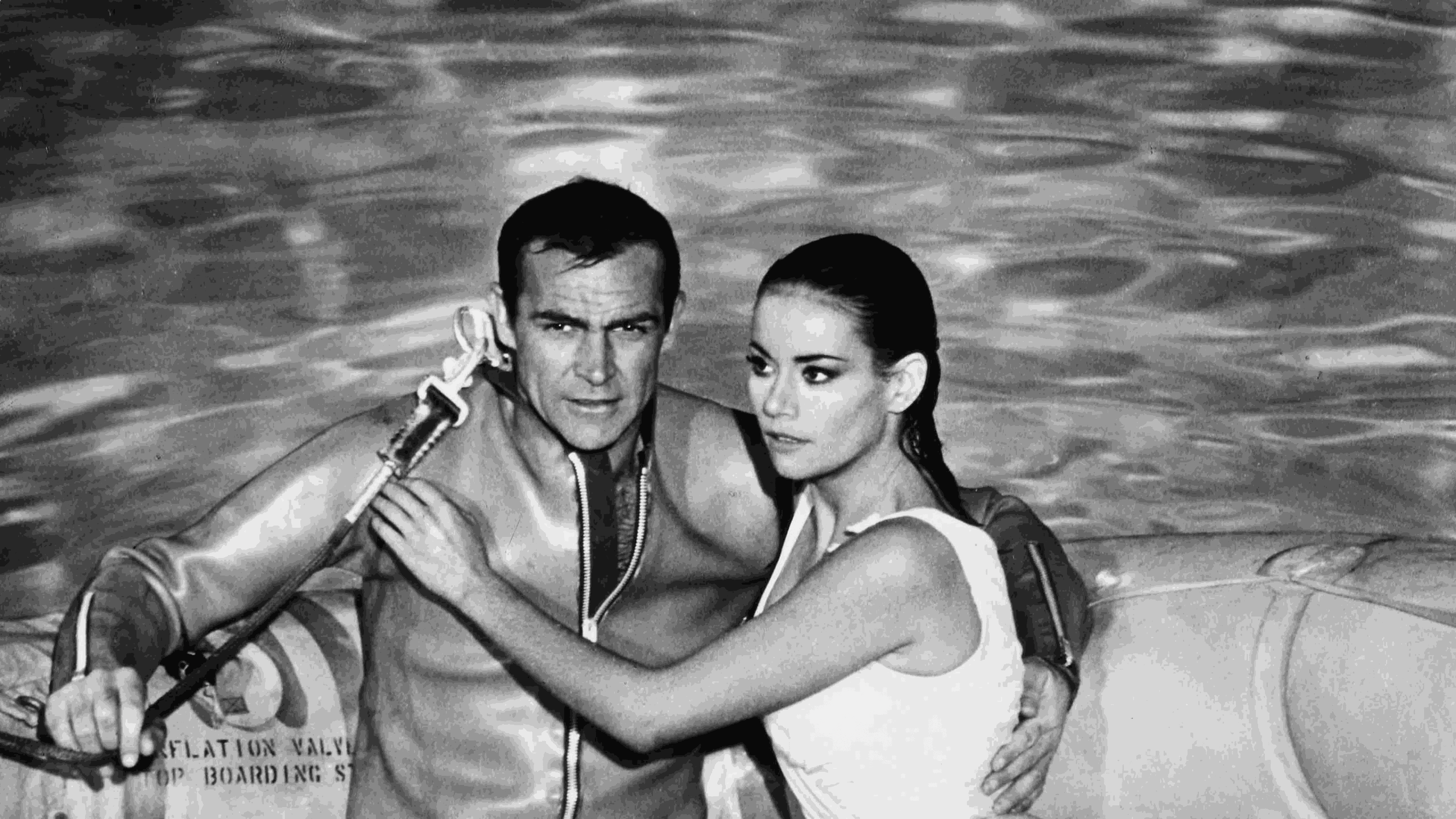
Sean Connery and George Lazenby lead the early run from Dr. No to Diamonds Are Forever.
Start with Dr. No (1962), then follow Sean Connery through From Russia with Love (1963), Goldfinger (1964), Thunderball (1965), and You Only Live Twice (1967).
Next comes George Lazenby’s single appearance in On Her Majesty’s Secret Service (1969). Connery returns for Diamonds Are Forever (1971), completing this opening stretch.
For your first watch, Goldfinger introduces the Aston Martin DB5, elaborate gadgets, and a villain with an unusually expensive scheme. Choose From Russia with Love for a more grounded espionage story.
Give On Her Majesty’s Secret Service your attention before moving into later eras. Bond’s relationship with Tracy carries emotional weight across the series, and the Alpine setting supplies memorable action.
The Roger Moore Years: Live and Let Die Through A View to a Kill
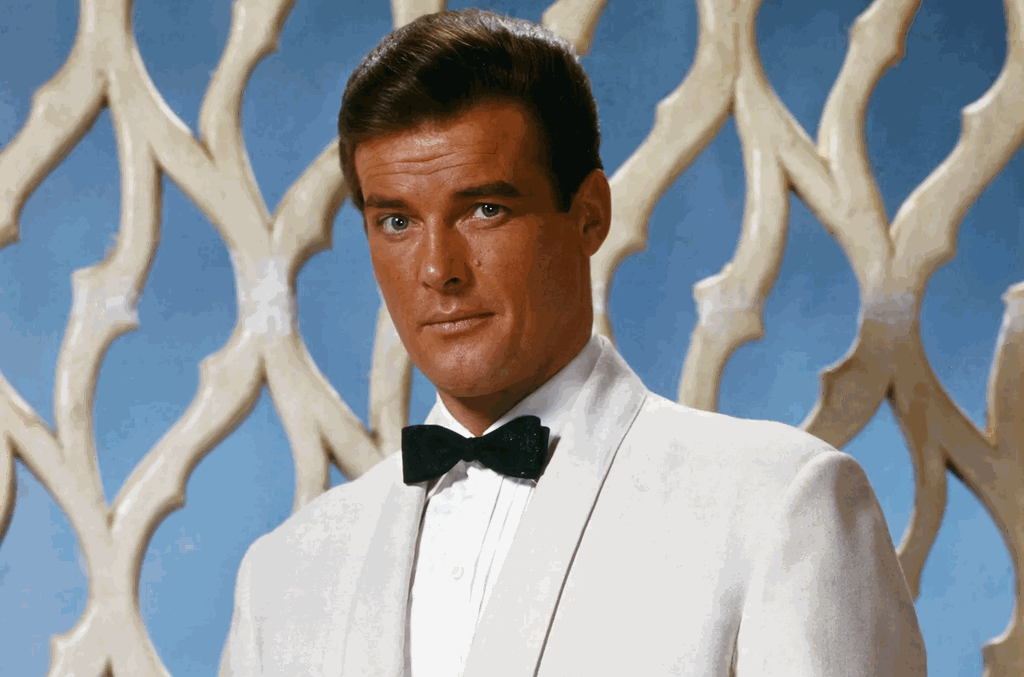
Roger Moore’s seven films bring more comedy, bigger stunts and even a trip into space.
Follow Moore’s seven films in this order: Live and Let Die (1973), The Man with the Golden Gun (1974), The Spy Who Loved Me (1977), and Moonraker (1979).
Continue with For Your Eyes Only (1981), Octopussy (1983), and A View to a Kill (1985). You’ll find more overt comedy in this era, alongside stunts, gadgets, and occasional trips well beyond everyday plausibility. Moonraker takes Bond into space.
The Spy Who Loved Me gives you a strong introduction to Moore, pairing Bond with Soviet agent Anya Amasova and introducing steel-toothed henchman Jaws. Pick For Your Eyes Only if you prefer a tighter mission built around recovering stolen military technology.
You can watch these adventures individually with little preparation.
The Dalton and Brosnan Films: The Living Daylights Through Die Another Day
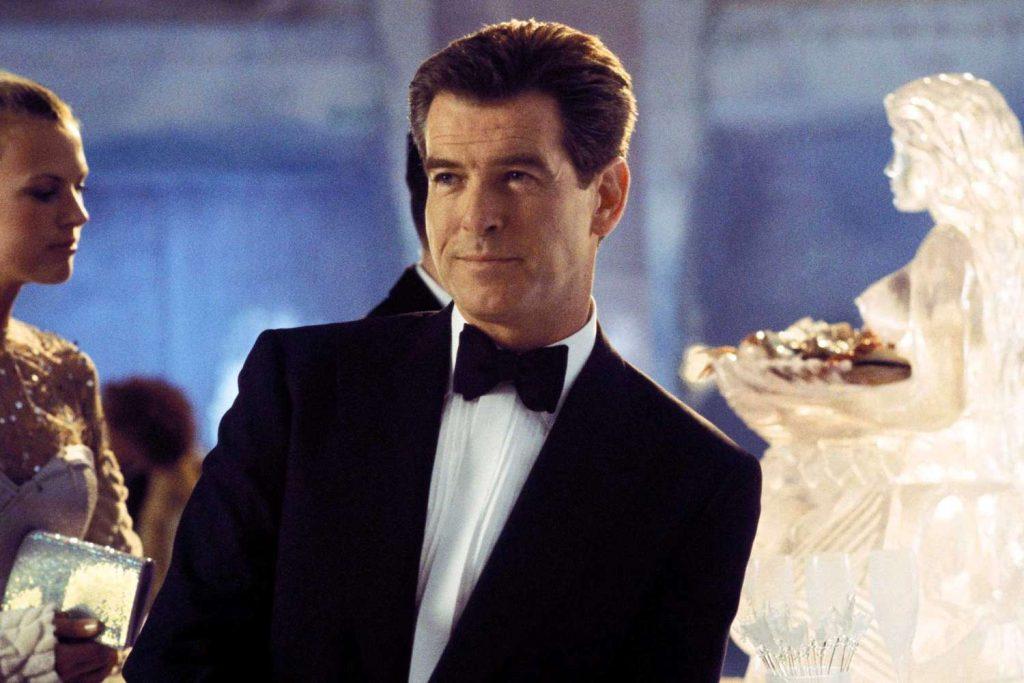
Timothy Dalton’s serious edge gives way to Pierce Brosnan’s humour and large-scale action.
Watch Timothy Dalton in The Living Daylights (1987), followed by Licence to Kill (1989). His serious approach brings Bond’s professional loyalties and personal anger into focus.
The Living Daylights offers Cold War intrigue and an arms-dealing plot. Licence to Kill follows Bond’s pursuit of a drug lord after an attack on his friend Felix Leiter; expect stronger violence and a personal revenge story.
Pierce Brosnan takes over in GoldenEye (1995), followed by Tomorrow Never Dies (1997), The World Is Not Enough (1999), and Die Another Day (2002).
Start with GoldenEye for Brosnan’s blend of humour, espionage, and large-scale action. You’ll also meet Judi Dench’s M, whose clashes with Bond give their working relationship an immediate edge.
Daniel Craig’s Connected Story: Casino Royale Through No Time to Die
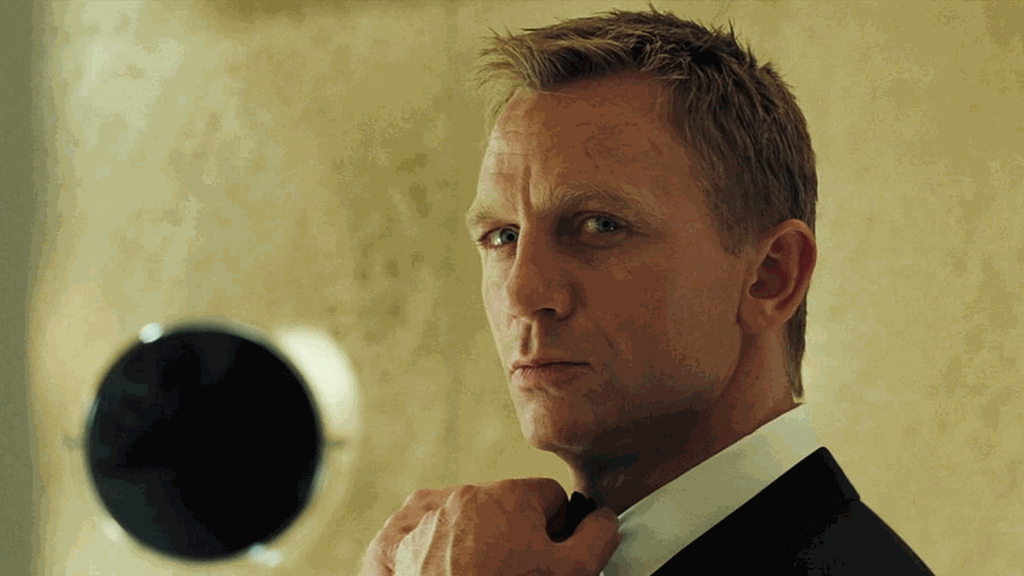
Daniel Craig’s five films tell one connected story from Casino Royale to No Time to Die.
Watch Craig’s films in release order: Casino Royale (2006), Quantum of Solace (2008), Skyfall (2012), Spectre (2015), and No Time to Die (2021).
Casino Royale reboots Bond’s continuity and begins with his promotion to 00 status. You need no knowledge of the earlier films, making it a straightforward starting point.
Watch Quantum of Solace soon afterward because it picks up shortly after Casino Royale and follows Bond’s response to its events. Skyfall centres on Bond’s relationship with M while revealing more about his childhood.
Spectre connects characters and threats across Craig’s run. No Time to Die concludes Bond’s story, so save it until you’ve watched the preceding four films to preserve the major developments.
Outside the Main Series: Casino Royale and Never Say Never Again
The 1967 Casino Royale and Never Say Never Again sit outside the official Eon series.
Two theatrical James Bond films sit outside Eon Productions’ series: Casino Royale (1967) and Never Say Never Again (1983). If you want all 27 releases in date order, place them alongside You Only Live Twice and Octopussy, respectively.
The 1967 Casino Royale is an ensemble spy spoof featuring David Niven as Sir James Bond and several characters using the Bond identity. Expect broad comedy and a deliberately loose structure.
In Never Say Never Again, Sean Connery returns as an ageing Bond investigating stolen nuclear weapons. It adapts the same Fleming novel as Thunderball, so you’ll recognise the central plot.
Treat both as optional additions to your watchlist. For Craig’s introduction, select the Casino Royale dated 2006. The year matters quite a bit here.
Allies, Villains, and Missions Worth Remembering
You understand Bond better through the people he trusts, the women he loses, and the enemies he pursues. His missions take you from a cramped Orient Express compartment to Fort Knox, with consequences that reach beyond the assignment.
M, Q, Moneypenny, and Felix Leiter: The People Behind the Agent
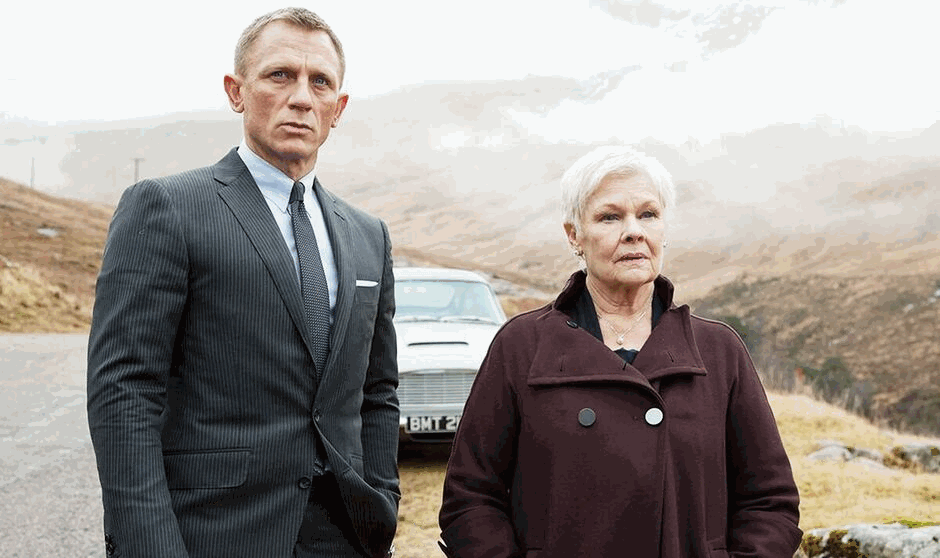
M, Q, Moneypenny and Felix Leiter shape the missions and friendships behind 007.
At MI6, M assigns Bond’s missions and holds him accountable. Different actors bring different relationships to the role: Judi Dench’s M becomes a particularly important authority figure for Daniel Craig’s Bond, mixing professional confidence with sharp personal judgment.
Q supplies equipment and technical expertise, usually alongside advice Bond tests rather thoroughly. Miss Moneypenny, M’s secretary, brings continuity and flirtatious exchanges; Naomie Harris’s version also serves in the field before taking the office role.
Outside British intelligence, you meet Felix Leiter, Bond’s CIA contact and enduring friend. Several actors have played him, with Jeffrey Wright giving the relationship particular warmth across three Craig films. Their friendship makes international cooperation feel personal, especially when helping Bond carries a cost.
Vesper Lynd and Tracy: Lasting Consequences
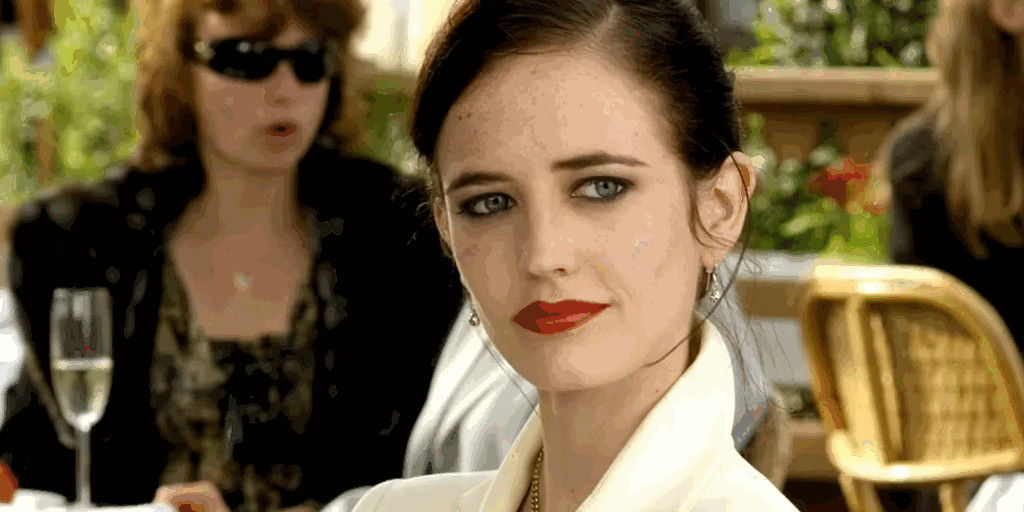
Vesper Lynd and Tracy leave lasting marks on Bond long after their stories end.
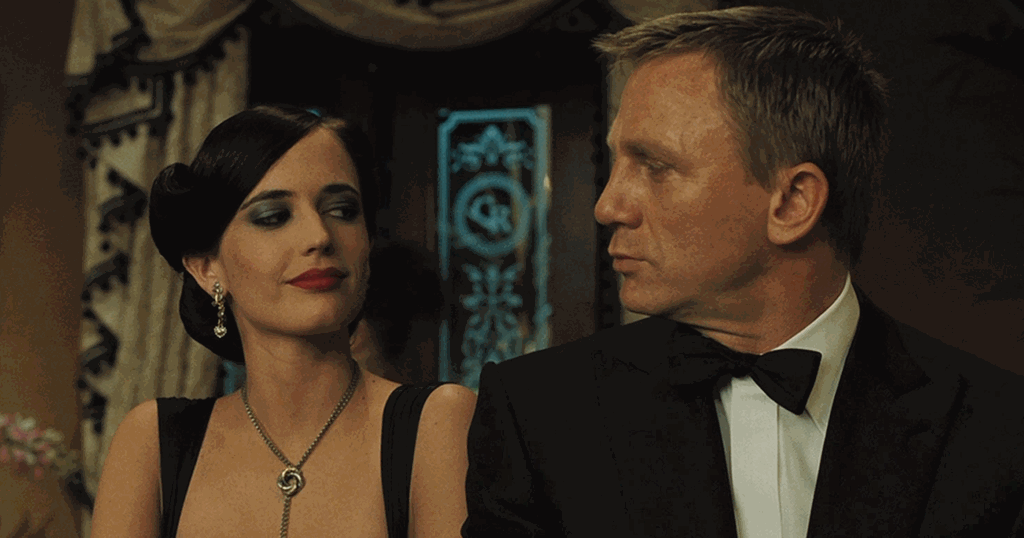
In Casino Royale, Vesper Lynd oversees the government money supporting Bond’s poker mission in the 2006 film. Their relationship develops into a genuine attachment, and Bond plans to leave the service with her.
You later learn that coercion shaped Vesper’s betrayal: the organization behind the operation threatened the man she loved. Her death leaves Bond grieving and suspicious, with consequences that continue through Craig’s films.
Tracy, played by Diana Rigg in On Her Majesty’s Secret Service, reaches another milestone: she marries Bond. Their relationship gives George Lazenby’s Bond a credible chance at life outside intelligence work. Shortly after the wedding, Blofeld and Irma Bunt attack their car, killing Tracy. Later films revisit that loss, including For Your Eyes Only.
SPECTRE, Blofeld, and Hugo Drax: A Grander Scale of Villainy
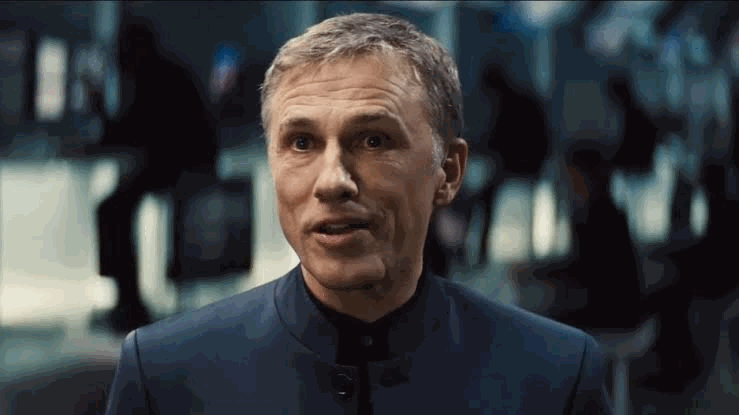
SPECTRE, Blofeld and Hugo Drax raise the stakes with schemes on a global scale.
SPECTRE gives you an enemy that operates across borders, using theft, extortion, terrorism, and infiltration. Its leader, Ernst Stavro Blofeld, appears across multiple films, with different actors and changing continuity. His role in Tracy’s death makes their conflict deeply personal.
In On Her Majesty’s Secret Service, Blofeld plans to threaten global agriculture through biological warfare. His mountain headquarters combines a research clinic with an armed stronghold, an arrangement worth questioning before you book.
Hugo Drax has different ambitions in the 1979 film Moonraker: he intends to poison humanity and repopulate Earth with selected survivors housed aboard his space station. Fleming’s novel gives Drax a separate scheme involving a nuclear missile aimed at London. The shared name conceals substantially different missions.
Signature Missions: From the Orient Express to Fort Knox
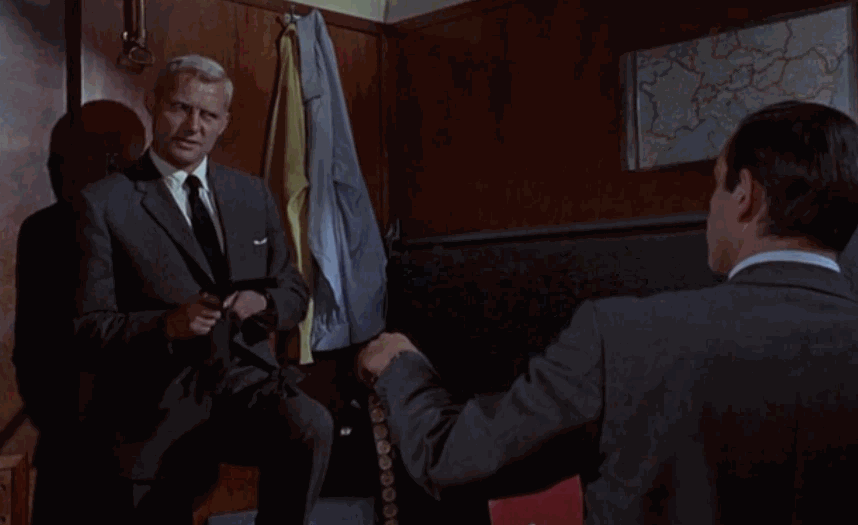
From the Orient Express to Fort Knox, Bond’s classic missions turn tense and urgent.
In the 1963 film From Russia with Love, you follow Bond to Istanbul to obtain a Soviet Lektor decoding machine. SPECTRE manipulates the operation, using Soviet clerk Tatiana Romanova as an unwitting participant in its trap.
The Orient Express provides the setting for Bond’s confrontation with assassin Red Grant. Tight compartments and concealed identities turn an ordinary train journey into a tense fight at close quarters.
Goldfinger takes you to Fort Knox, where Auric Goldfinger plans to detonate a nuclear device inside the gold depository. Contaminating America’s reserves would increase the value of his own holdings. Bond must stop the device while American troops battle Goldfinger’s forces outside, bringing the mission down to a very urgent countdown.
The Style, Spectacle, and Complicated Legacy Influence on Culture
You recognise James Bond through tailored suits, improbable cars, orchestral themes, and elaborate action sequences. Alongside those pleasures, 007’s adventures carry changing attitudes toward women, British power, and who gets to save the world.
Aston Martins, Gadgets, and Stunts That Set the Template for Suave Spies
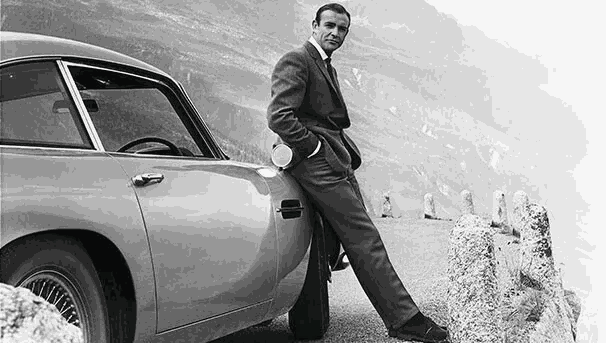
The Aston Martin DB5, Q’s gadgets and daring stunts set the template for screen spies.
Image Source: Aston Martin Media
If you picture Bond behind the wheel, you probably picture the Aston Martin DB5. Goldfinger (1964) established its screen identity with machine guns, revolving number plates, and an ejector seat, a fairly firm response to an unwanted passenger.
Q’s equipment briefings became a recurring pleasure: you meet a device early, then watch Bond find its purpose under pressure. Across Eon Productions’ films, these scenes pair expensive-looking technology with the familiar irritation of someone mishandling company property.
The Spy Who Loved Me (1977) supplied two memorable spectacles: a Lotus Esprit that transforms into a submarine and a ski jump ending with a Union Jack parachute. Stunt performer Rick Sylvester executed the jump, giving the opening its physical impact.
How the Films Reflect Changing Attitudes to Gender and Empire
When you revisit earlier films, Bond’s sexual entitlement becomes difficult to separate from his charm. In Goldfinger, he forces himself on Pussy Galore before the encounter becomes an embrace, presenting coercion within a romantic convention.
Women’s roles also change across the series. Judi Dench’s M directly calls Bond a “sexist, misogynist dinosaur” in GoldenEye (1995). As intelligence agent Vesper Lynd in Casino Royale (2006), Eva Green challenges his judgment and shapes his emotional life.
You also encounter Britain’s imperial legacy through exoticised locations, racial stereotypes, and an agent licensed to intervene abroad. Live and Let Die draws on stereotypes about Black criminality and Caribbean religion, while Skyfall treats British institutions, national symbols, and Bond’s continued usefulness with pronounced nostalgia.
The Next Film’s Creative Team and Production Status for the 007 Franchise

Villeneuve directs Bond 26 from a Steven Knight screenplay, with no release date announced yet.
Image Source: ABC
The project carries the informal title Bond 26. Villeneuve, whose credits include Arrival and Dune, will direct, while Peaky Blinders creator Steven Knight will write the screenplay.
Amy Pascal and David Heyman will produce, with Tanya Lapointe serving as executive producer. For you, these appointments establish the main filmmaking team behind Bond’s next screen appearance.
No filming date or release date has been announced at the time of writing. The supplied reporting places the project at the stage of assembling its remaining cast, including the villain, M and Q.
You’ll have to wait for official announcements about the plot, setting and supporting actors. The material supplied gives no confirmed story details, and the reported 2028 release remains an expectation. While you wait, browse the upcoming movies at TGV.
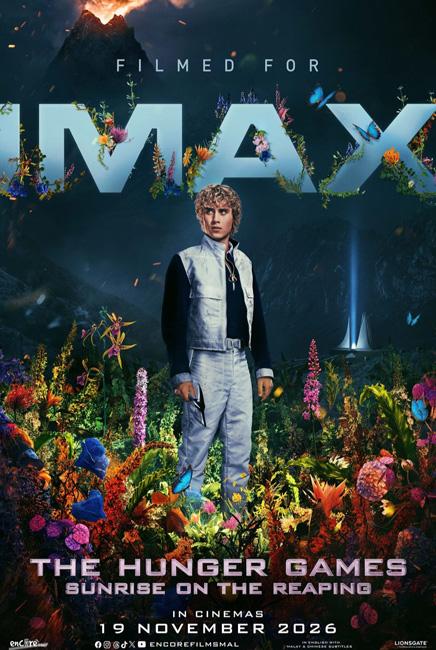
The Hunger Games: Sunrise on The Reaping
Action
Adventure
Fantasy
Joseph Zada, Whitney Peak, Mckenna Grace, Jesse Plemons, Kelvin Harrison Jr., Maya Hawke, Lili Taylor, Ben Wang, Ralph Fiennes, Elle Fanning, Kieran Culkin, Glenn Close, Billy Porter
Book NowIn TGV 19 Nov 2026
Movies You'll Love
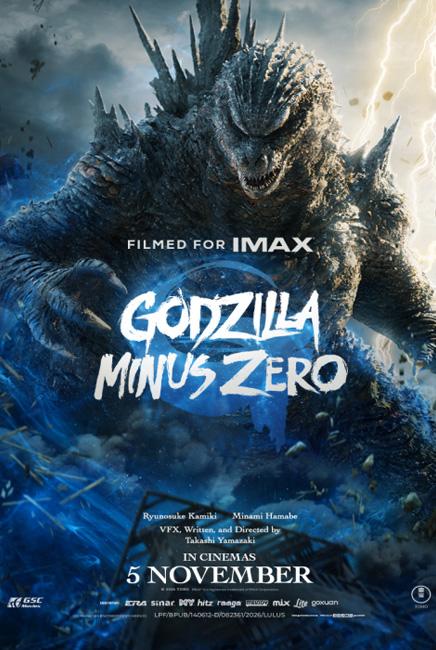
Godzilla Minus Zero

Street Fighter
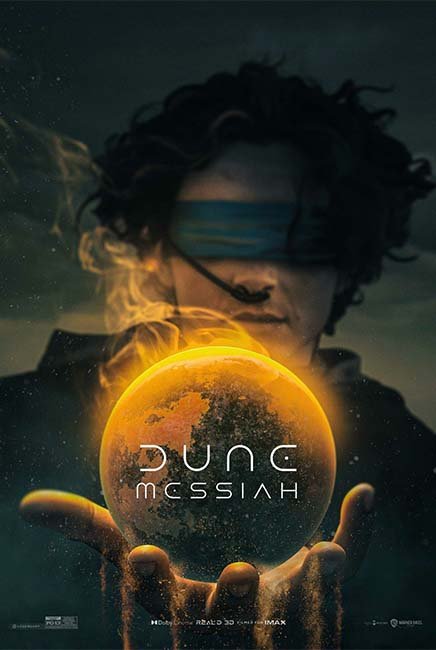
Dune: Part Three
Narnia: The Magician's Nephew
Man Of Tomorrow



Movies You'll Love
The Hunger Games: Sunrise on The Reaping
Godzilla Minus Zero
Street Fighter
Dune: Part Three
Narnia: The Magician's Nephew
Man Of Tomorrow
Avengers: Secret Wars
The Batman Part II
Fast Forever
Top Gun 3
Michael 2

Avatar 4

Avatar 5
Demon Slayer: Kimetsu no Yaiba - Infinity Castle 2
Demon Slayer: Kimetsu no Yaiba - Infinity Castle 3
F1® The Movie 2