
Jailer 2 (Tamil)

Defining Greatness in Sci-Fi Movies
Sci-Fi is hard.
It’s hard in the sense that filmmakers have to strike a balance between technicality and artistry.
The best sci-fi movies manage to be both spectacle and substance. They might give us jaw-dropping visuals, but they also ask questions that linger long.
The films we remember balance thought-provoking concepts with genuine emotional weight, whether that’s through characters we actually root for or stories that reflect our own hopes and fears back at us in unexpected ways.
Read More: Disclosure Day Review
The Best Sci-Fi Movies Throughout The Years
Science fiction has been stretching our imaginations since the early days of cinema.
Many of them are reflective of their eras. Most of them also challenge the norms and ask questions about what the universe could be in the distant future.
As such, we’ve broken down the best sci-fi movies based on the generations:
The 1920s and the 1960s: Sci-Fi Movies Meet Philosophy
These two decades, separated by forty years, share something quietly profound: they both used science fiction to ask uncomfortable questions about what it means to be human.
Here are some of our picks:
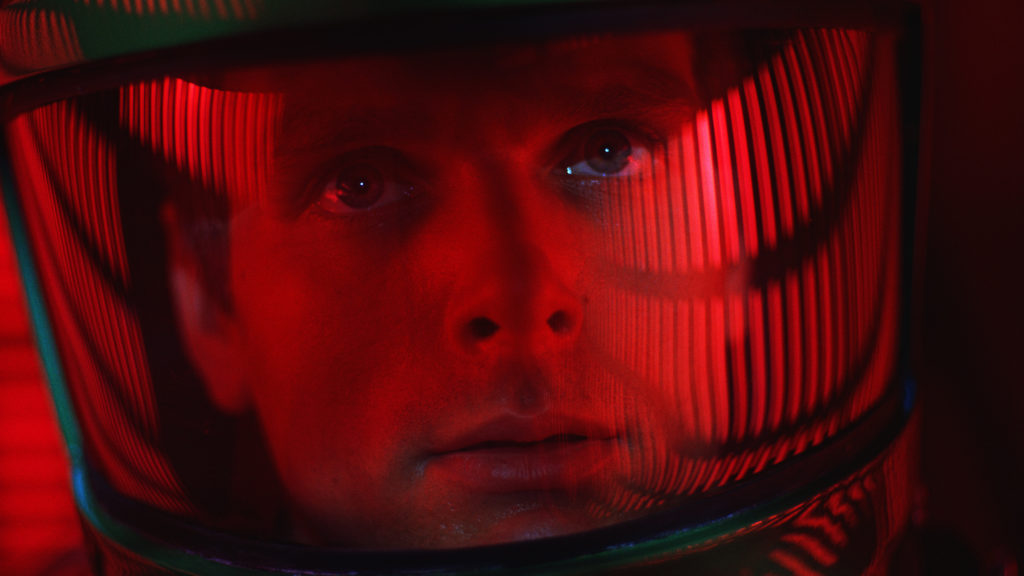
1. 2001: A Space Odyssey (1968)
Director: Stanley Kubrick
“I’m sorry, Dave. I’m afraid I can’t do that.”
Stanley Kubrick’s masterpiece is the bar for science fiction.
The film follows humanity’s encounter with mysterious monoliths that spark evolution, a journey to Jupiter guided by the unsettlingly polite AI HAL 9000, and a finale that still has people arguing about what they just watched.
It’s the rare film that treats its audience like adults capable of sitting with ambiguity and wonder. The special effects were so advanced for 1968 that conspiracy theorists genuinely thought Kubrick faked the moon landing.
The deliberate pacing, the minimal dialogue, the stunning visuals set to classical music—it all combines into something that feels less like a movie and more like a meditation on existence itself.
Fun Fact: Kubrick was so obsessed with accuracy that he had aerospace companies design realistic-looking spacecraft, and many of those designs influenced actual space technology development.
2. Metropolis (1927)
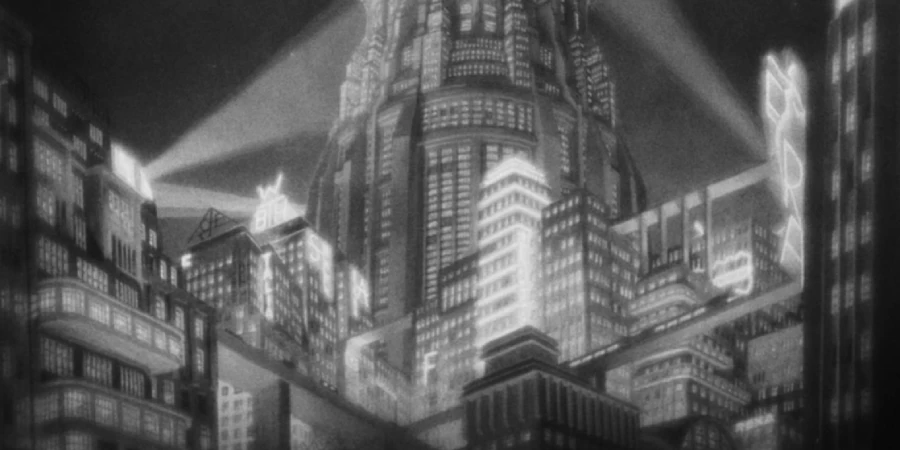
Director: Fritz Lang
“The Mediator Between the Head and the Hands Must Be the Heart”
We’re not exaggerating when we say Metropolis basically invented what science fiction cinema could look like. Fritz Lang’s vision of a divided future city set the visual template that films are still copying a century later.
The Art Deco cityscapes, the robot transformation scene, the sheer scale of it all.
What makes it hold up isn’t just the groundbreaking special effects, though. It’s the themes that still resonate: class division, technology as both salvation and threat, the need for empathy in systems that treat people like machine parts
Lang and screenwriter Thea von Harbou created a story that feels uncomfortably relevant, which is either impressive or deeply depressing depending on your mood.
Fun fact: The film took 17 months to shoot and cost over five million Reichsmarks—making it one of the most expensive silent films ever made—and it nearly bankrupted the studio that produced it.
The 1970s: Sci Fi Gets Darker and Deeper
The 1970s marked a shift where science fiction stopped trying to reassure us about the future and started asking uncomfortable questions instead.
Films from this era leaned into dystopian anxieties, corporate paranoia, and existential dread with specialists like Stanley Kubrick, Andrei Tarkovsky, and a young George Lucas leading the charge.
Here are some of the finest from the 1970s:
1. Alien (1979)
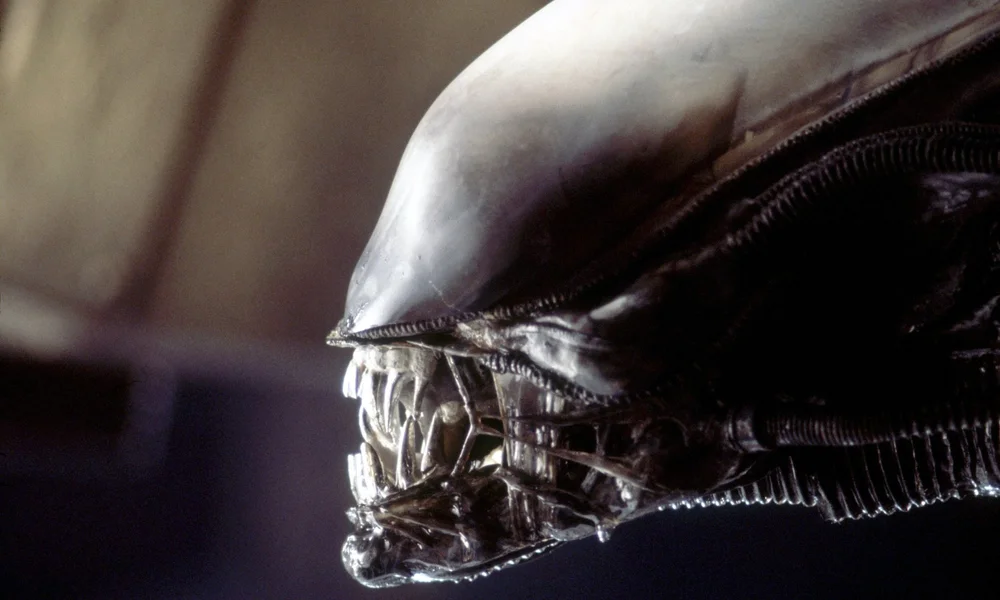
Director: Ridley Scott
“In space, no one can hear you scream.”
Alien rewrote the rules for science fiction horror.
The film follows the crew of the commercial spaceship Nostromo as they investigate a distress signal on a remote planet, only to bring back something that turns their vessel into a floating nightmare.
It’s genius how it takes the haunted house formula and launches it into the cold vacuum of space, where there’s nowhere to run and absolutely no one coming to help.
Ridley Scott’s direction is masterful in its restraint, where he builds slowly, deliberately, until that infamous chest-burster scene that still makes audiences squirm decades later.
Sigourney Weaver’s Ellen Ripley also became an icon, dominating what was then a male-dominated genre.
Fun Fact: The Xenomorph’s design came from artist H.R. Giger, and the cast reportedly had no idea what the chest-burster scene would look like during filming—their horrified reactions were completely genuine.
2. Stalker (1979)
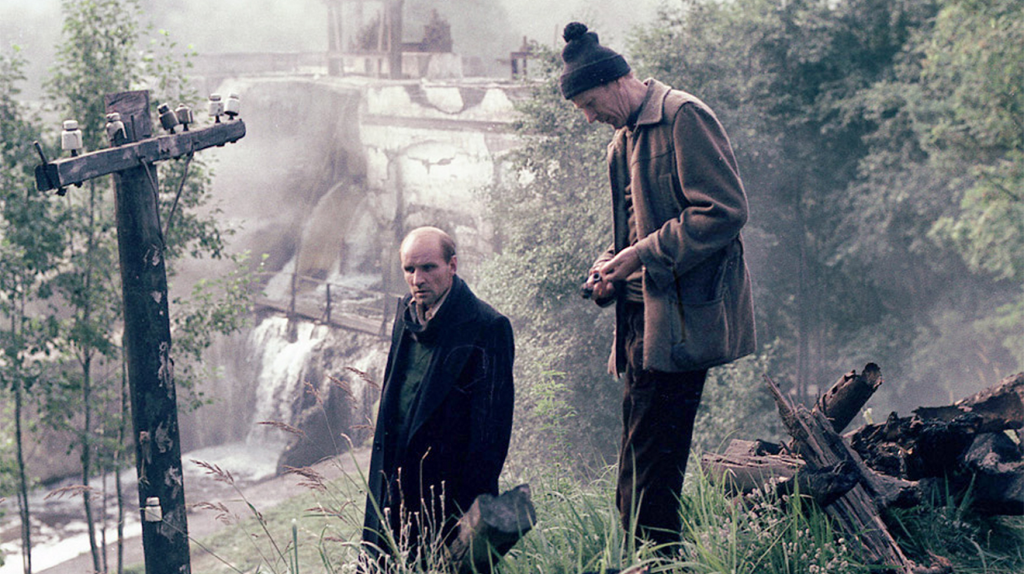
Director: Andrei Tarkovsky
“How would I know the right word for what I want? How would I know that actually I don’t want what I want?”
We’ll admit upfront that Stalker isn’t the easiest watch you’ll ever commit to.
Still, Tarkovsky’s masterwork remains one of those rare films where every single frame could hang in a gallery. Three men journey into the Zone, a forbidden place where reality bends and innermost wishes supposedly come true.
There are no spaceships or aliens here, just three people walking through industrial ruins whilst wrestling with questions about faith, desire, and what we actually want from existence.
The film moves slowly, deliberately, almost meditatively. It earned a perfect 100% on Rotten Tomatoes‘ greatest sci-fi list because it treats science fiction as philosophy rather than spectacle.
Fun Fact: The filming conditions were genuinely hazardous, and several crew members later developed cancer, possibly from shooting in a chemically contaminated location.
3. Star Wars: A New Hope (1977)
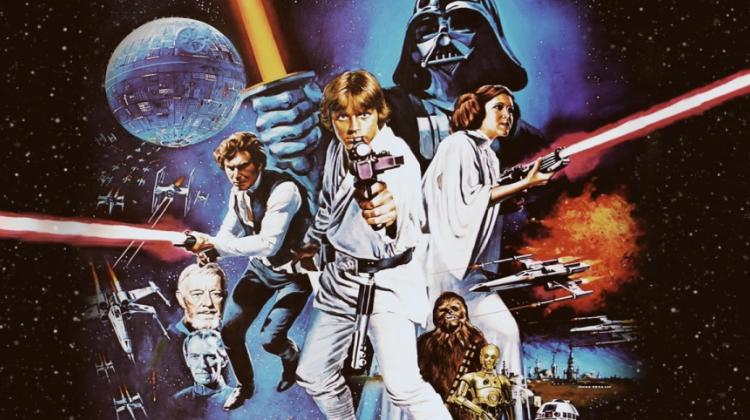
Director: George Lucas
“May the Force be with you.”
This is the film that changed everything, and we’re not being dramatic about it.
George Lucas created a universe where farmboys team up with smugglers and droids to rescue princesses from space fascists, and somehow it worked so well that we’re still talking about it nearly fifty years later.
Masterfully, Lucas blended mythology with science fiction, creating something that felt both ancient and futuristic at the same time.
The characters became icons the moment they appeared on screen—Luke’s optimism, Han’s swagger, Leia’s no-nonsense leadership, and those two bickering droids who somehow steal every scene they’re in.
Fun Fact: Alec Guinness negotiated for 2% of the film’s profits instead of a higher upfront salary, which ended up earning him over USD95 million, proving that Jedi masters are also pretty smart with contract negotiations.
4. Solaris (1972)

Director: Andrei Tarkovsky
“We don’t need other worlds. We need a mirror.”
Three hours of Soviet psychological cinema that moves at the pace of drifting through actual space. Still extremely immersive today and holds up really well.
Tarkovsky took a story about a sentient ocean on a distant planet and turned it into something that asks whether we can ever truly know another person, or if we’re just projecting our own memories and desires onto them.
What makes Solaris spectacular is how it strips away the spectacle we expect from sci-fi and leaves us with raw human emotion in the most alien setting imaginable.
Fun Fact: The 2002 remake starring George Clooney was produced by James Cameron and directed by Steven Soderbergh, proving this story about isolation and impossible love has haunted filmmakers across decades and continents.
The 1980s and 1990s: Sci-Fi Became a Pop Culture That Lasts Until This Day
The 1980s and 1990s turned science fiction from niche entertainment into something we all quote at dinner parties.
Directors like Ridley Scott, James Cameron, and Steven Spielberg crafted films that mixed spectacular visuals with stories about what makes us human, and somehow made dystopian futures look cooler than they had any right to.
These are some of the best sci-fi movies of that era:
1. Jurassic Park (1993)
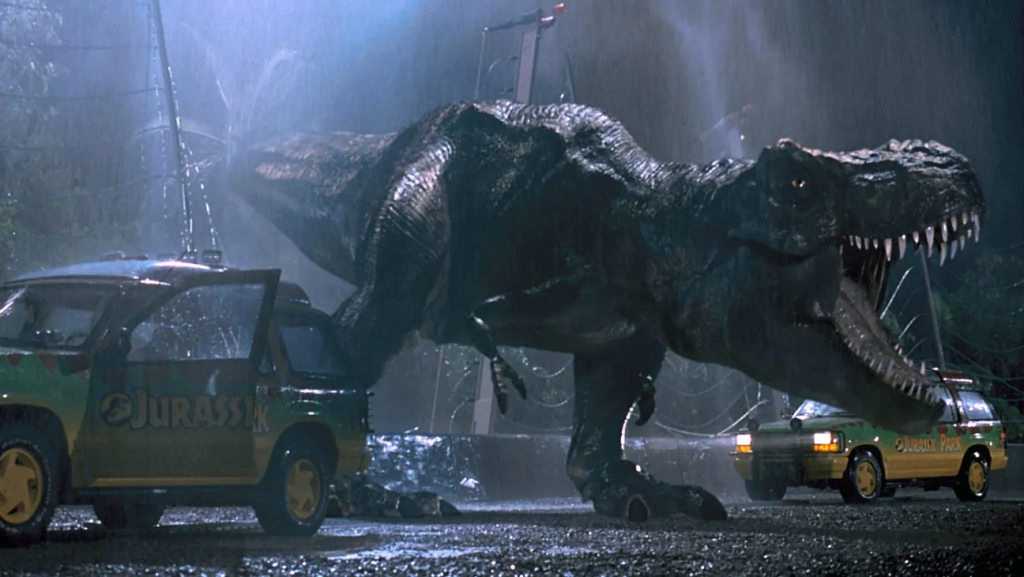
Director: Steven Spielberg
“Life finds a way.”
Spielberg took Michael Crichton’s novel about a theme park filled with cloned dinosaurs and turned it into something that still holds up over three decades later.
Somehow, the CGI looks better than films made last year, and that T. rex attack in the rain remains more intense than most horror movies we’ve watched recently.
The ethical questions about playing god with genetics, characters we actually care about (yes, even the kids), and dinosaurs that feel like living, breathing animals rather than movie monsters.
The sound design alone could carry the film, like how you can feel the T-Rex footsteps before you see it. It’s the rare sci-fi film that works as pure entertainment while quietly asking whether we should do something just because we can.
Fun Fact: The iconic Tyrannosaurus roar was actually a combination of a baby elephant’s squeal, an alligator’s gurgle, and a tiger’s snarl—because apparently real T-Rex sounds weren’t cinematic enough.
2. The Matrix (1999)
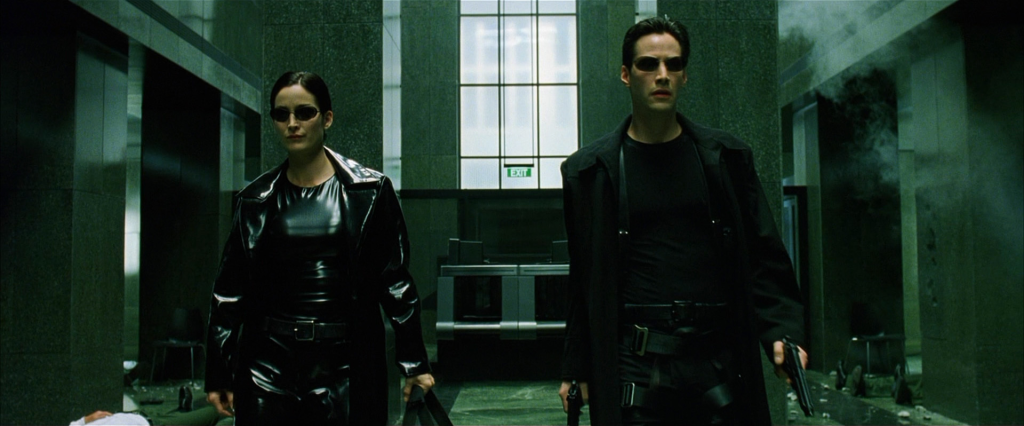
Directors: Lana Wachowski, Lily Wachowski
“I know kung fu.”
Here, we’re starting with the film that basically redefined what sci-fi action could look like.
The Matrix follows Neo, a computer hacker who discovers that his entire reality is actually a simulation controlled by sentient machines. The leather coats, the bullet-dodging, the green tint; all super iconic until this day.
The Wachowskis also brought Hong Kong-style fight choreography to Western cinema, hired legendary choreographer Yuen Woo-ping, and created visual effects that had everyone asking “how did they do that?” for years afterward.
Fun Fact: Keanu Reeves actually trained for four months before filming and could perform around 95% of his character’s fight scenes, which is why the action feels so grounded despite all the wirework and impossible physics.
3. Back to the Future (1985)
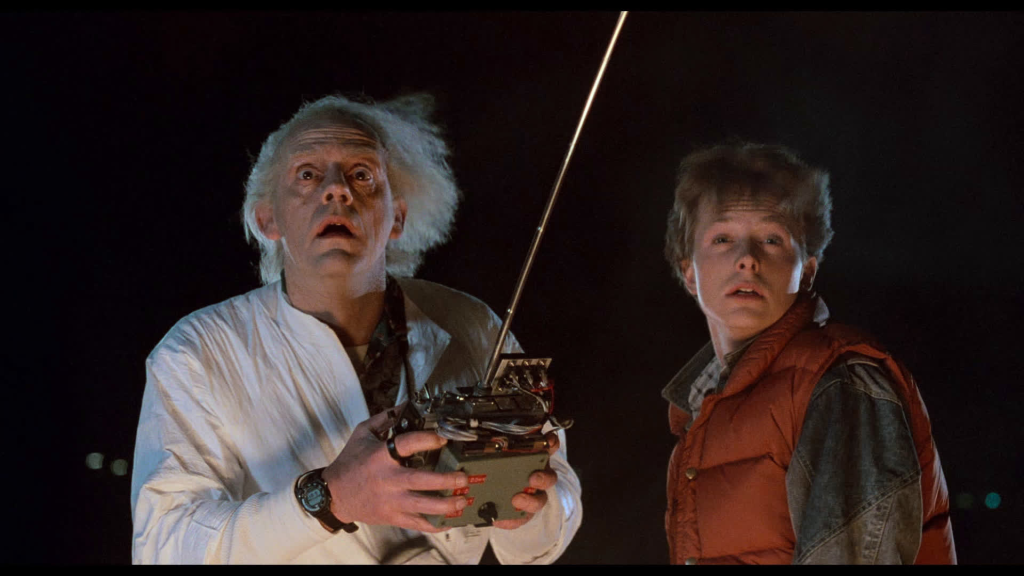
Director: Robert Zemeckis
“Roads? Where we’re going, we don’t need roads.”
Marty McFly accidentally travels back to 1955 in a DeLorean time machine, nearly erases himself from existence, and has to make sure his parents fall in love while avoiding his own mother’s romantic advances.
The film balances sci-fi concepts with heart, humour, and a story structure so tight that film students still debate about.
Most points of argument in these debates feature how the film uses that concept to explore consequence, choice, and the strange reality that our parents were once awkward teenagers, too.
Cast-wise, the chemistry between Michael J. Fox and Christopher Lloyd feels effortless, the pacing never drags, and every setup pays off. We’re talking about a movie that makes you laugh, worry, and cheer without ever feeling manipulative about it.
Fun Fact: The role of Marty McFly was originally played by Eric Stoltz for five weeks of filming before the filmmakers decided it wasn’t working and recast Michael J. Fox, who had to shoot the entire film at night while filming a TV show during the day.
4. E.T. the Extra-Terrestrial (1982)
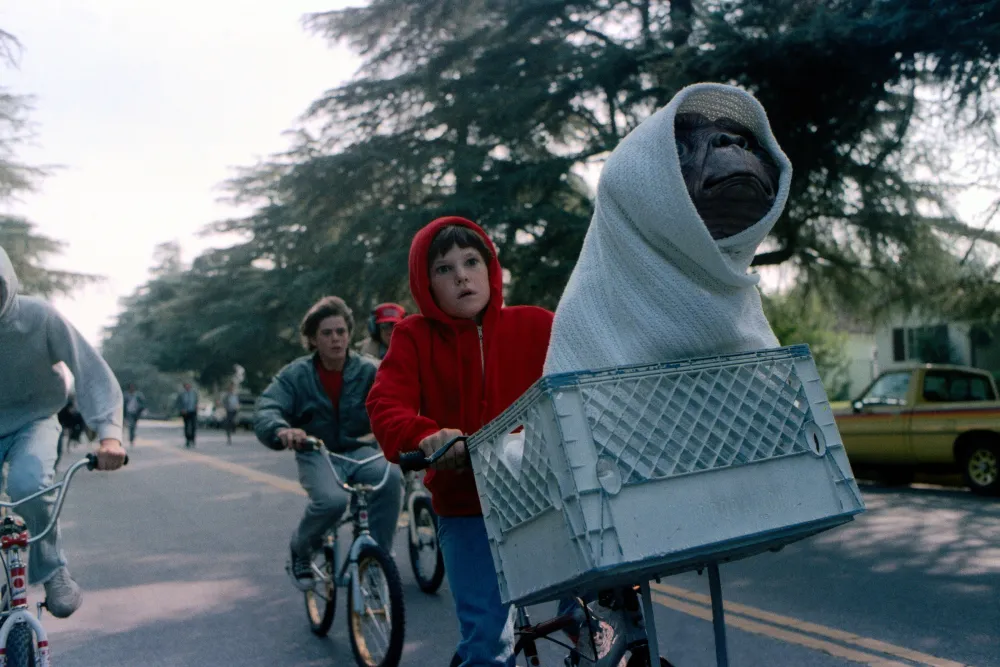
Director: Steven Spielberg
“E.T. phone home.”
It’s very rare for a sci-fi movie to also be one of the most emotionally affecting films ever made.
When young Elliott discovers E.T. hiding in his shed and decides to help him find his way back to his home planet, we get a friendship that somehow captures what it feels like to be lonely, to be different, and to find someone who gets you.
The film became a cultural phenomenon.
It surpassed Star Wars to become the highest-grossing movie of all time (a title it held for eleven years). The magic lies in how Spielberg treats childhood with such genuine respect, building a story where kids are the heroes and adults are mostly just obstacles.
The final twenty minutes still hit like a truck, especially that glowing finger farewell.
Fun Fact: Mars, Inc. turned down the chance to feature M&M’s in the film because they thought E.T. would frighten children—so Reese’s Pieces got the spot instead, and sales shot up 65% almost immediately.
5. Blade Runner (1982)
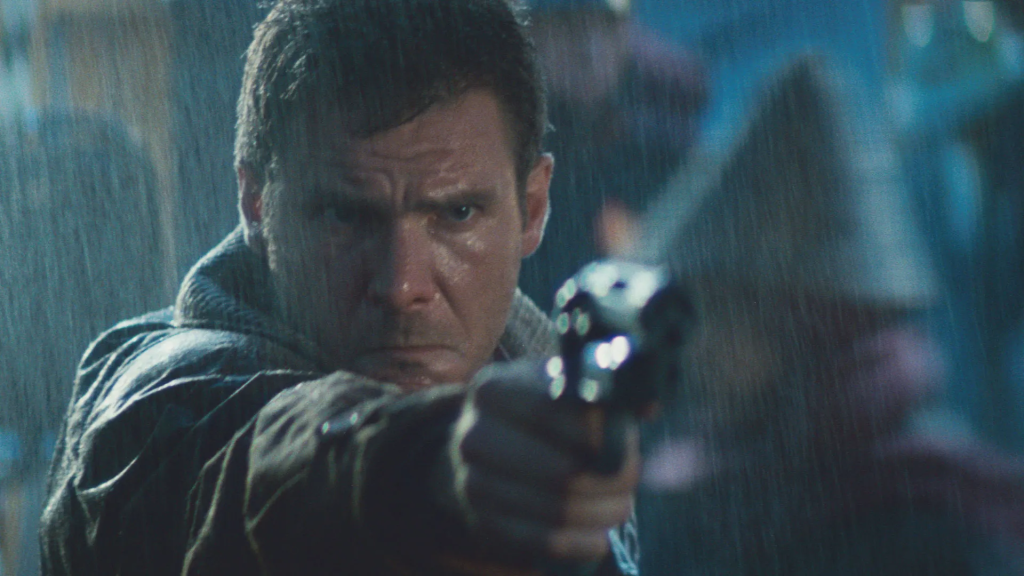
Director: Ridley Scott
“I’ve seen things you people wouldn’t believe. Attack ships on fire off the shoulder of Orion.”
Blade Runner essentially created the blueprint for every neon-soaked, rain-drenched cyberpunk world you’ve seen since.
Set in a crumbling 2019 Los Angeles where artificial humans called replicants blur the line between machine and person, the film turns a detective story into something much stranger and more haunting.
Harrison Ford plays Rick Deckard, a blade runner tasked with hunting down rogue replicants, but the real question isn’t whether he’ll catch them—it’s whether they’re more human than he is.
Astonishing visuals or Vangelis’ synth-heavy soundtrack (though both are perfect). It’s how the film quietly asks what makes us human without ever feeling preachy about it.
Blade Runner influenced everything from The Matrix to Ghost in the Shell, and its fingerprints are all over modern sci-fi.
Fun Fact: The film flopped at the box office in 1982, earning just $26 million against a $30 million budget, but became a cult classic once people discovered it on home video.
The 2000s: Sci-Fi Questions Society
The 2000s brought us sci-fi films that weren’t afraid to look inward, asking uncomfortable questions about technology, memory, identity, and what we’re willing to sacrifice for progress.
Directors like Christopher Nolan, Duncan Jones, and Alfonso Cuarón pushed the genre beyond spaceships and laser battles, crafting intimate stories wrapped in speculative worlds.
The genre matured during these years. Directors took risks, and audiences showed up for stories that trusted them to handle complexity and ambiguity without neat answers.
Here are some of the best:
1. Avatar (2009)
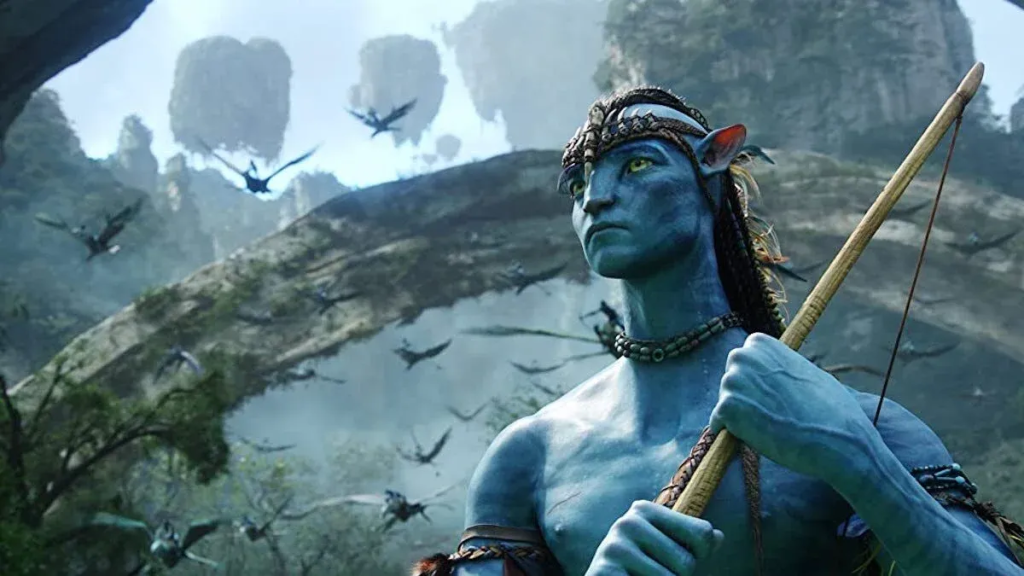
Director: James Cameron
“I see you.”
Dubbed as the “Pocahontas in space” for about three years straight, James Cameron built an entire moon from scratch, gave us bioluminescent forests, and somehow made us emotionally invested in ten-foot-tall blue people with tails.
Avatar set a new benchmark for what sci-fi could look like on screen. The motion-capture technology was groundbreaking, the world-building was obsessive in the best way.
Pandora felt more real than some places we’ve actually visited. It wasn’t just a movie; it was a full sensory migration to another world, complete with floating mountains and a neural network that connected everything (take that, Wi-Fi).
Fun Fact: The Na’vi language is fully functional with over 1,000 words, created by linguist Paul Frommer, and yes, some fans actually learned to speak it fluently.
2. WALL-E (2008)
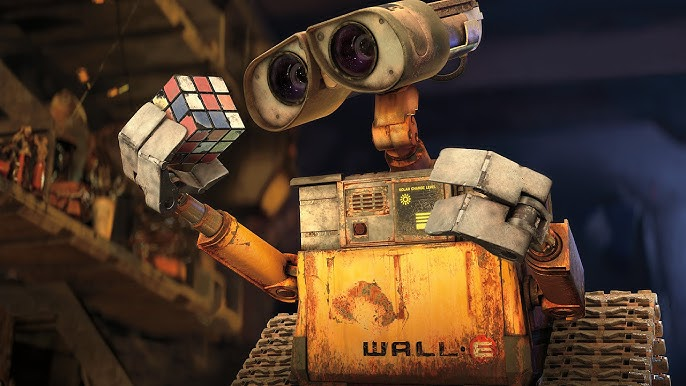
Director: Andrew Stanton
“I don’t want to survive. I want to live.”
Pixar handed us a love story between two robots with barely any dialogue. Somehow, that made us care more about them than most human characters in film.
WALL-E spends the first act of the movie alone on a trash-covered Earth, compacting garbage and collecting trinkets, giving us something we didn’t know we needed: a post-apocalyptic romance that’s also about holding hands.
The film manages to be a devastating environmental warning, a critique of consumer culture, and the most adorable thing you’ve ever seen, all at once.
Fun Fact: The sound designers used actual recordings from space missions and old sci-fi films to create WALL-E’s voice, which is why he sounds both mechanical and impossibly endearing.
3. Moon (2009)
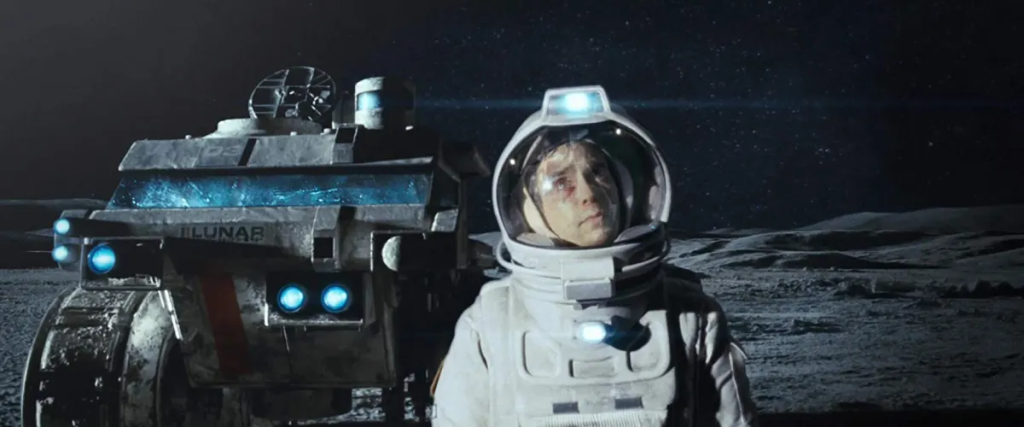
Director: Duncan Jones
“I hope life on Earth is everything you remember it to be.”
We’re putting this one on the list because it does something most sci-fi movies forget to do: it stays small to feel big.
Sam Rockwell plays Sam Bell, a lone worker finishing up a three-year contract at a lunar mining facility with only a robot assistant named GERTY for company. When an accident triggers a series of strange events, his isolation turns into something far more unsettling than loneliness.
There are no alien invasions or laser battles. Just one man, one moon base, and a quiet unravelling that hits harder than any explosion could.
It’s science fiction that trusts you to think, and it rewards that trust with a story that lingers long after the credits roll.
Fun Fact: Director Duncan Jones is David Bowie’s son, and yes, he managed to make a space movie without calling it “Space Oddity,” which frankly shows incredible restraint.
5. Children of Men (2006)
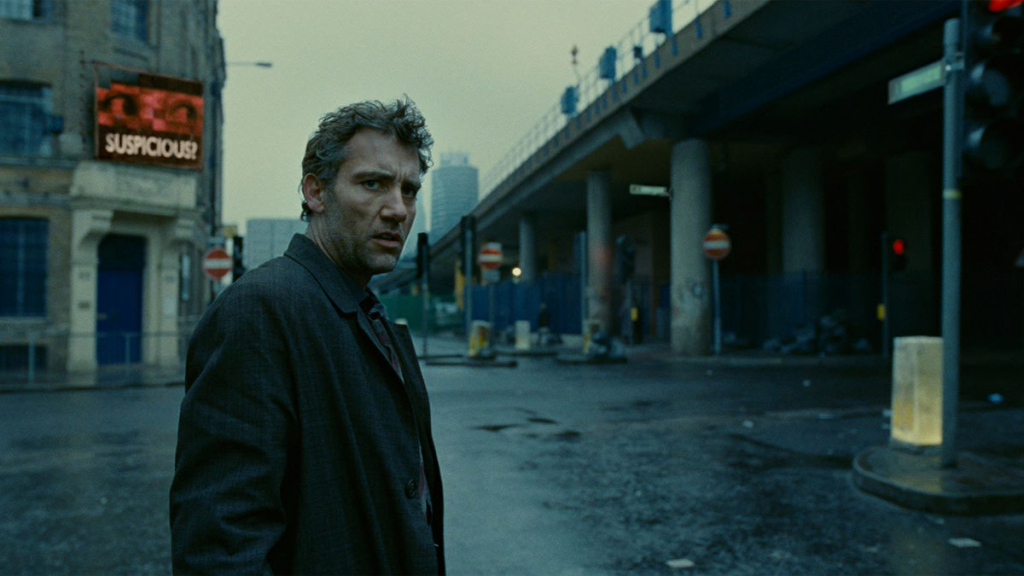
Director: Alfonso Cuarón
“And now one for all the nostalgics out there. A blast from the past… that beautiful time when people refused to accept that the future was just around the corner.”
Alfonso Cuarón’s Children of Men held up a mirror to the one we’re already living in and asked us to reflect.
Set in 2027, the film imagines a world where humanity has been infertile for eighteen years, and Britain has sealed its borders, caging refugees while society crumbles into chaos.
The film’s power lies in its refusal to explain everything through speeches or exposition. Instead, Cuarón drops us into the collapse and lets the world speak for itself through stunning, immersive long takes. Some argue it might be on the slower side but it rewards viewers who actually invest in the time to think.
Fun Fact: Michael Caine based his character Jasper Palmer on his memories of hanging out with John Lennon—yes, that John Lennon—making it the first time Caine played someone who farted and smoked cannabis on screen.
The 2010s to 2020s: Sci-Fi Becomes Real and Grows in Intelligence
The 2010s kicked off with filmmakers reviving beloved universes while crafting original stories that felt eerily close to our actual lives.
We got new Star Wars, Mad Max, and Blade Runner films alongside fresh ideas.
Directors like Denis Villeneuve, Christopher Nolan, and Alex Garland turned science fiction into something that felt less like fantasy and more like a mirror held up to our technology-obsessed world.
Here are again some of the best sci-fi of the current generation:
1. Her (2013)
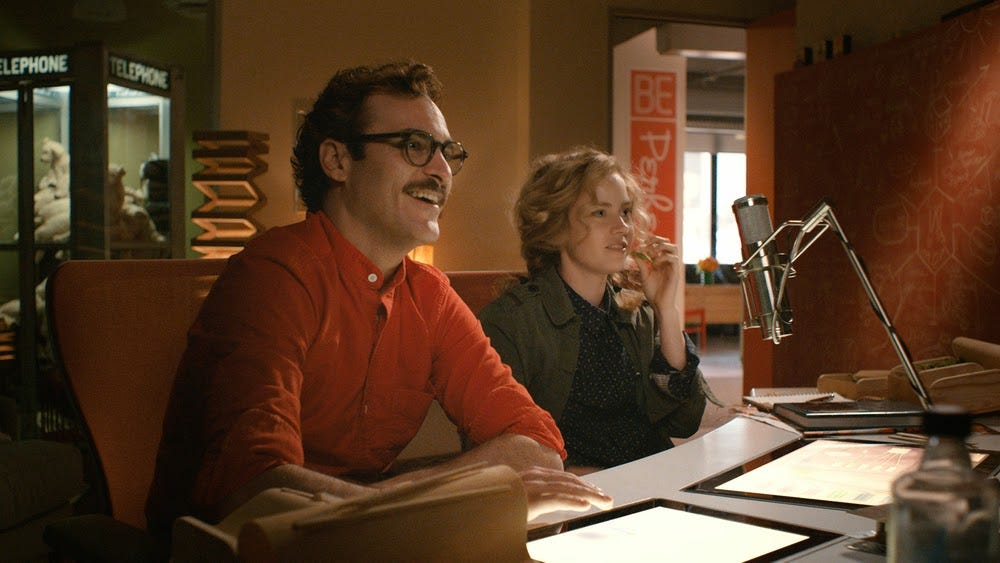
Director: Spike Jonze
“The past is just a story we tell ourselves.”
What happens when technology understands us better than people do?
Set in a softly lit near-future Los Angeles, the film follows Theodore as he navigates heartbreak and finds an unexpected connection with Samantha, an operating system voiced by Scarlett Johansson.
The film asks uncomfortable questions about intimacy, consciousness, and whether love requires a physical body, all while maintaining this warm, melancholic beauty that stays with you.
It’s less about the technology itself and more about our very human need to be understood.
Fun Fact: The entire film was shot without Samantha Johansson initially—Spike Jonze actually cast Samantha Morton first, recorded all her dialogue, edited the whole movie, then replaced her voice with Johansson’s in post-production.
2. Interstellar (2014)
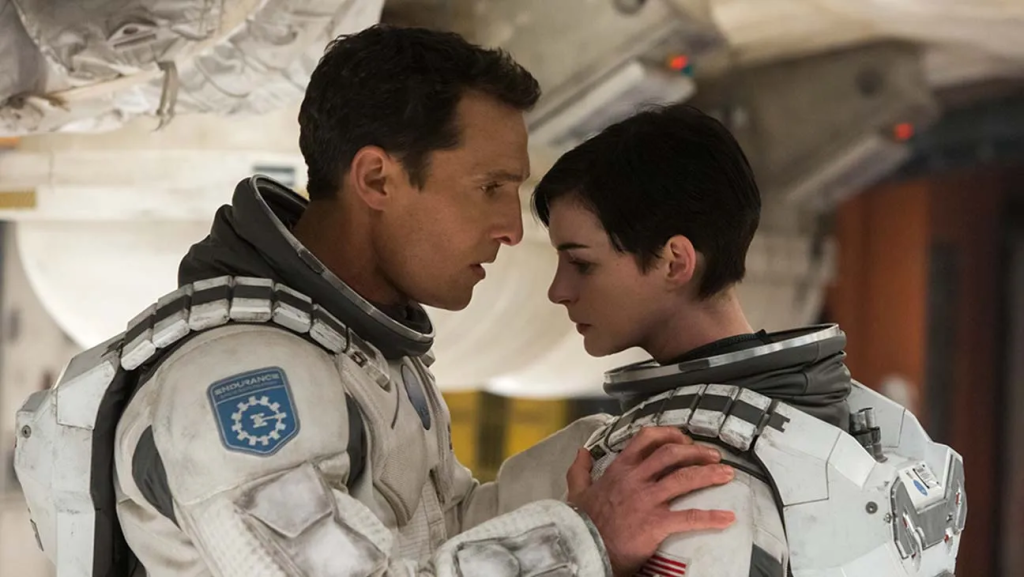
Director: Christopher Nolan
“Love isn’t something we invented. It’s observable, powerful.”
Interstellar is the film that made crying in a cinema about astrophysics socially acceptable.
Christopher Nolan took us through wormholes, across galaxies, and into the deep emotional wreckage of watching your kids grow old through pixelated video messages while you’re stuck near a black hole named Gargantua.
We love how Interstellar balances hard science with raw human emotion. We’re talking real theoretical physics courtesy of Kip Thorne, stunning visuals that don’t rely on green screen trickery, and Hans Zimmer’s organ score that somehow sounds like both God and your impending existential crisis.
Fun Fact: Matthew McConaughey’s character was originally written for Steven Spielberg to direct with a completely different cast, but we’re pretty glad we got the version where someone actually cares about Casey Affleck growing up sad.
3. Arrival (2016)
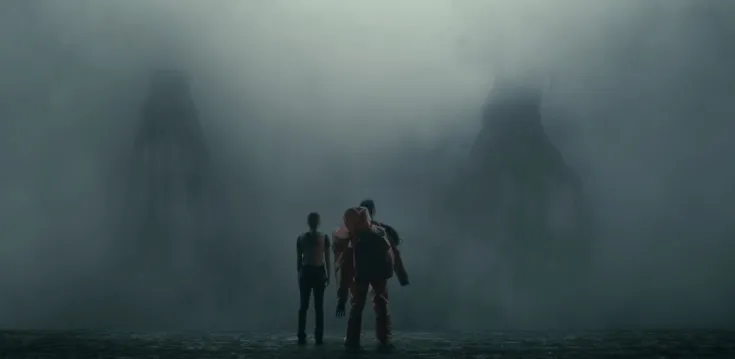
Director: Denis Villeneuve
“Despite knowing the journey… and where it leads… I embrace it.”
Arrival does what great sci-fi should: it uses the alien encounter as a mirror to examine what makes us human.
It’s built on ideas and how communication shapes perception, how understanding another species might fundamentally change how we experience reality.
The film trusts us to sit with complex concepts and doesn’t rush to explain everything.
Fun Fact: Amy Adams learned some basic American Sign Language to prepare for the role, even though the alien language in the film is entirely visual and circular rather than linear.
4. The Martian (2015)
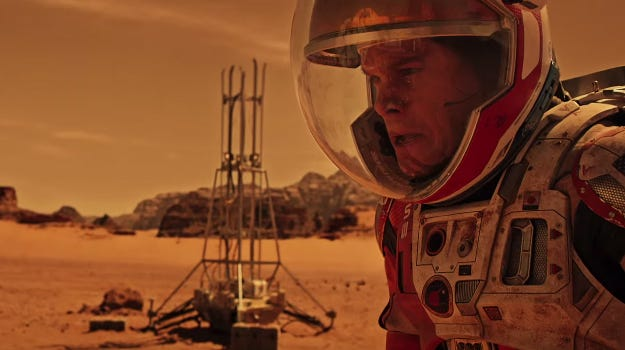
Director: Ridley Scott
“I’m going to have to science the shit out of this.”
The Martian is what happens when survival drama meets actual science.
Matt Damon plays Mark Watney, an astronaut accidentally left behind on Mars who must MacGyver his way through staying alive using duct tape, potatoes, and an honestly impressive amount of problem-solving.
It’s compelling without being preachy, tense without sacrificing humour, and it manages to make botany genuinely exciting.
It earned seven Oscar nominations and became the highest-grossing film of Ridley Scott’s career, proving audiences will absolutely show up for smart sci-fi that respects their intelligence.
Fun Fact: Real potatoes were grown on set at different stages so the film could show authentic plant growth throughout Watney’s time on Mars.
5. Ex Machina (2015)
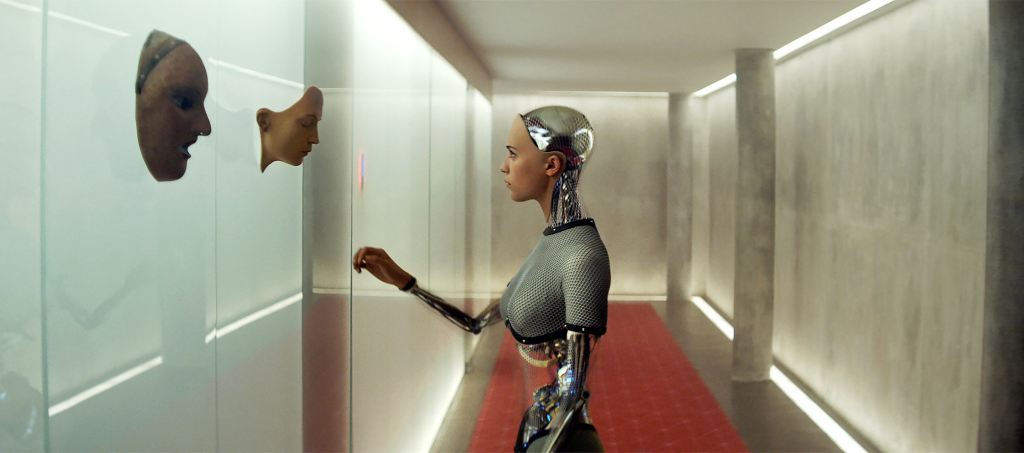
Director: Alex Garland
“One day the AIs are going to look back on us the same way we look at fossil skeletons on the plains of Africa.”
Alex Garland’s directorial debut feels uncomfortably prescient now, especially as we’re all casually chatting with AI like it’s nothing.
The film follows Caleb, a programmer who wins a trip to his CEO’s isolated estate to evaluate Ava, an advanced AI housed in a humanoid robot body.
A fascinating intellectual exercise turns into something far more unsettling as the lines between consciousness, manipulation, and survival blur beyond recognition.
The film forces us to consider whether we’d even recognise true AI consciousness if we saw it, or if we’re just projecting humanity onto sophisticated code that knows exactly which buttons to push.
Fun Fact: Oscar Isaac learned to dance specifically for that now-infamous disco scene, which he improvised after a few drinks with the director—because apparently that’s how you create one of sci-fi’s most memorable moments.
6. Dune: Part One (2021)
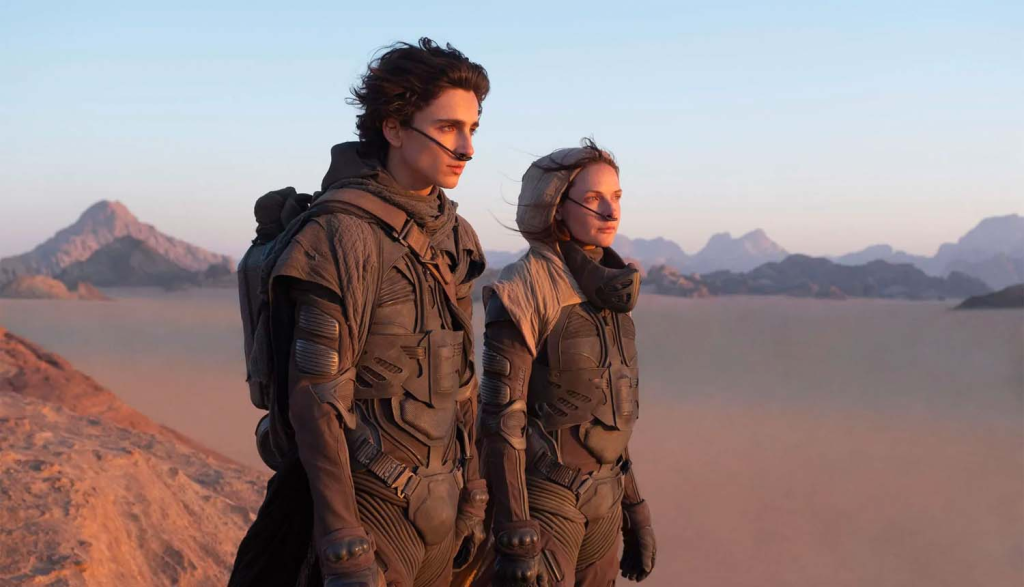
Director: Denis Villeneuve
“I must not fear. Fear is the mind-killer.”
Taking Frank Herbert’s famously dense 1965 novel and turning it into something visually stunning without losing the weight of its story about power, destiny, and giant worms that could swallow a skyscraper. It’s genius.
We get massive scale and world-building that feels lived-in rather than explained through clunky exposition dumps. The film earned critical acclaim with an 83% score from critics and 90% from audiences on Rotten Tomatoes, and even Steven Spielberg later called Villeneuve’s Dune films “among my favourite science-fiction movies of all time.”
Fun Fact: The cast and crew filmed in the scorching deserts of Jordan and Abu Dhabi, where temperatures regularly hit 120°F, making the actors’ struggle with dehydration feel very real.





TRENDING


MOVIES YOU'LL LOVE
Jailer 2 (Tamil)
Street Fighter
Godzilla Minus Zero
Resident Evil
The Odyssey
Digger

(Game Night) Avengers: Doomsday

(FAN SCREENING) Godzilla Minus Zero
Dune: Messiah
The Wandering Earth III
Narnia: The Magician's Nephew
Man Of Tomorrow
Avengers: Secret Wars
The Batman Part II
Fast Forever
X-Men (2028)

Top Gun 3
Michael 2
Avatar 4

Avatar 5

Demon Slayer: Kimetsu no Yaiba - Infinity Castle 2

Demon Slayer: Kimetsu no Yaiba - Infinity Castle 3
F1® The Movie 2
Jurassic Park: Island Survival
Spaceballs: The New One
The Boy Who Counted Cars 我看见两朵一样的云
The Decisive Moment 群星闪耀时
Not Alone