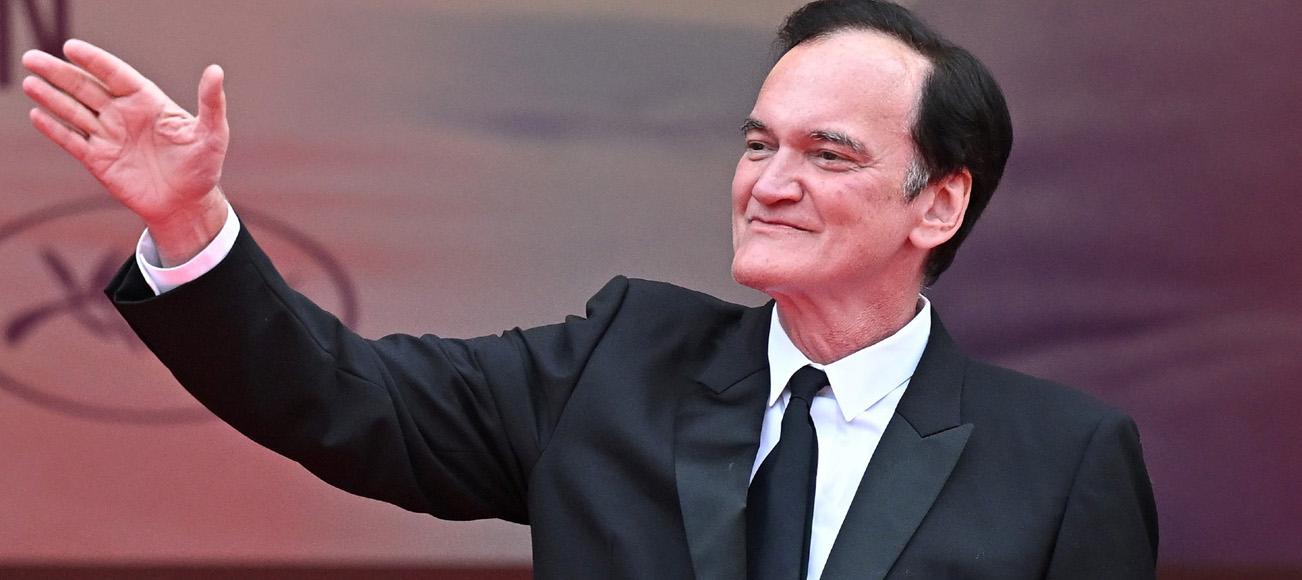

Quentin Tarantino’s films span crime capers, revenge sagas, and reimagined history.
Image Source: NME
The Movies That Defined Quentin Tarantino’s Career
You can trace Quentin Tarantino’s career through criminals arguing over breakfast, a bride pursuing revenge, and characters rewriting history. His films connect elaborate dialogue with sudden violence, drawing on crime stories, martial arts films, Westerns, and Hollywood itself.
Reservoir Dogs and Pulp Fiction: The Breakthrough Years
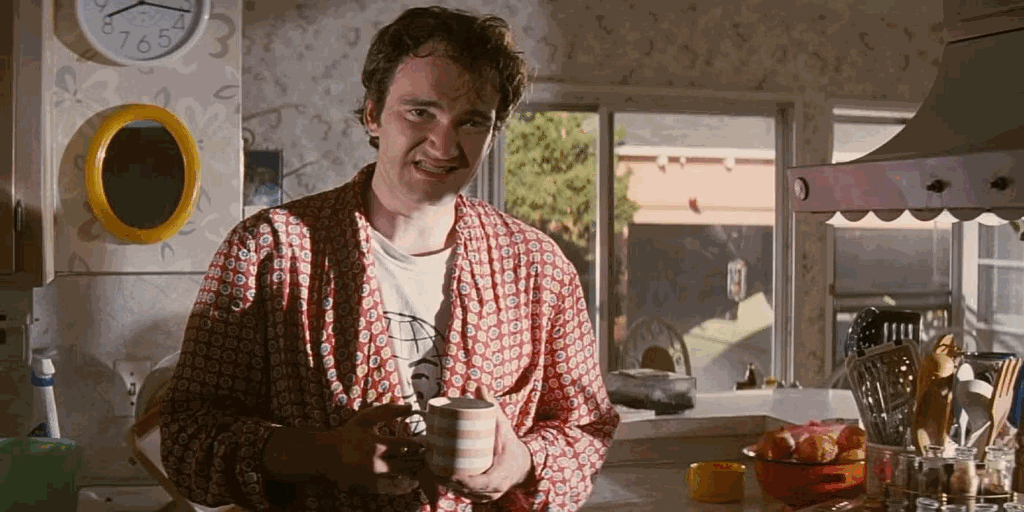
Reservoir Dogs and Pulp Fiction made Tarantino one of the defining filmmakers of the 1990s.
Reservoir Dogs (1992) established Tarantino as a film director with a recognizable style. You follow thieves regrouping after a failed diamond robbery, with suspicion spreading through a warehouse. The film withholds the heist and builds tension through its aftermath, fractured chronology, and arguments over who betrayed whom.
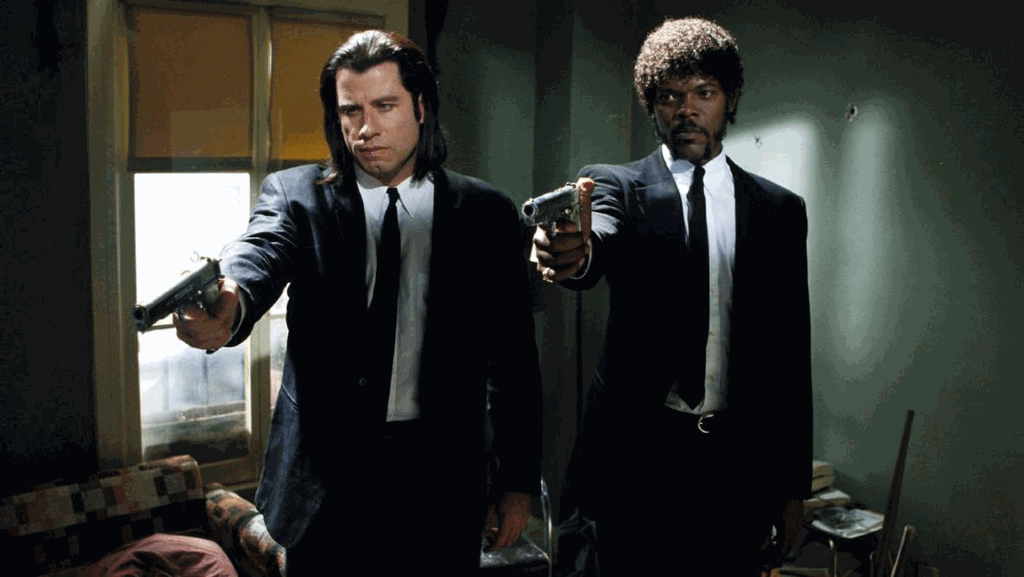
Pulp Fiction (1994) expanded that approach into intersecting stories about hitmen, a boxer, and a gangster’s wife. John Travolta, Samuel L. Jackson, and Uma Thurman made conversations about burgers and uncomfortable silences central to the appeal.
Its scrambled timeline rewards your attention as separate encounters connect. The film won the Palme d’Or at Cannes, and
Tarantino shared the original screenplay Oscar with Roger Avary.
Jackie Brown: A Different Kind of Crime Story
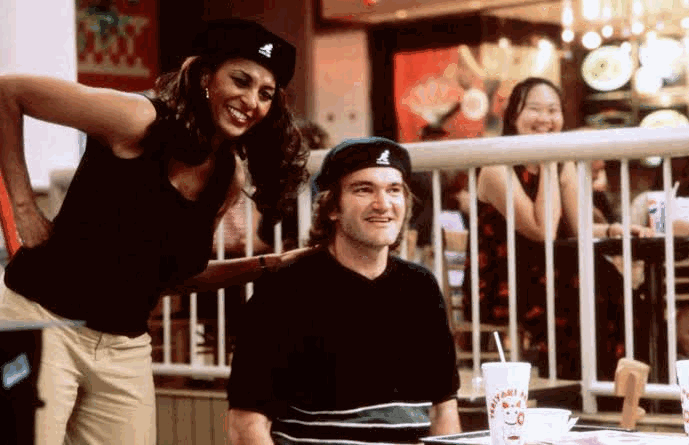
Pam Grier leads Jackie Brown, Tarantino’s adaptation of Elmore Leonard’s Rum Punch.
With Jackie Brown (1997), Tarantino adapted Elmore Leonard’s novel Rum Punch. Pam Grier plays a flight attendant who faces federal charges after carrying money for arms dealer Ordell Robbie, played by Samuel L. Jackson.
You watch Jackie devise a plan involving the police, Ordell, and bail bondsman Max Cherry, whom Robert Forster plays with quiet affection. Money matters, and so do age, trust, and the prospect of starting again.
The film gives Jackie and Max’s relationship time to develop through small exchanges and shared music. Its carefully staged money exchange brings the crime plot together, while Grier’s performance keeps Jackie’s calculations and vulnerability equally clear. Forster earned a supporting actor Oscar nomination.
Kill Bill and Death Proof: Revenge Meets Exploitation Cinema
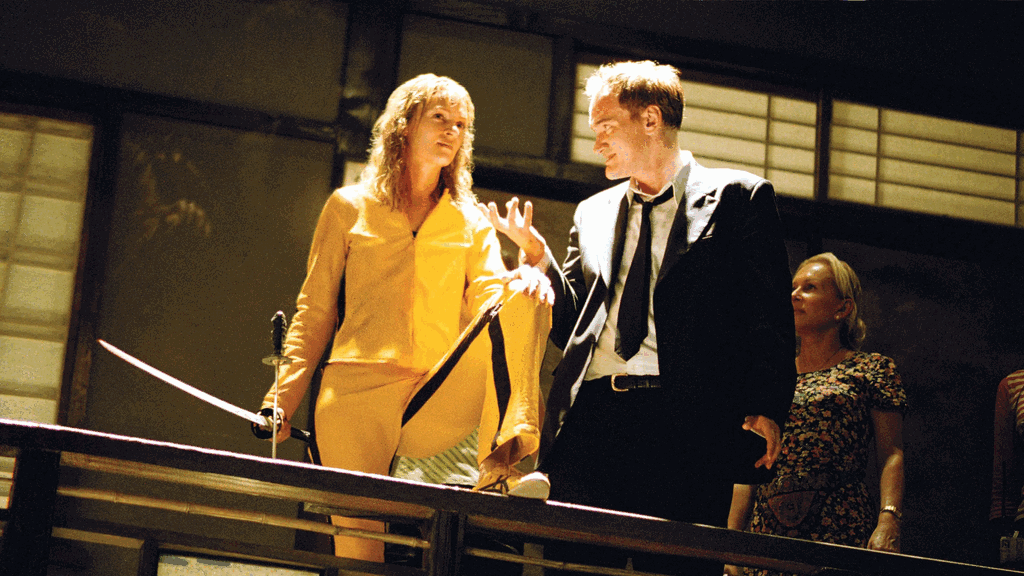
Uma Thurman’s Bride carries the revenge story across both volumes of Kill Bill.
Kill Bill: Volume 1 (2003) introduces Uma Thurman’s Bride, a former assassin seeking revenge against the people who attacked her wedding rehearsal. You encounter Japanese sword fighting, animation, and elaborate choreography as she works through her targets.
Kill Bill: Volume 2 (2004) develops her history with Bill and gives their confrontation a more intimate setting. Together, the films combine martial arts cinema, Western influences, and a story about motherhood.
Death Proof (2007) appeared alongside Robert Rodriguez’s Planet Terror in the double feature Grindhouse. Kurt Russell plays a stunt driver who murders women with his car. Its extended conversations lead into practical car chases, including stunt performer Zoë Bell riding on a speeding car’s hood.
Once Upon a Time in Hollywood: Revisiting 1969
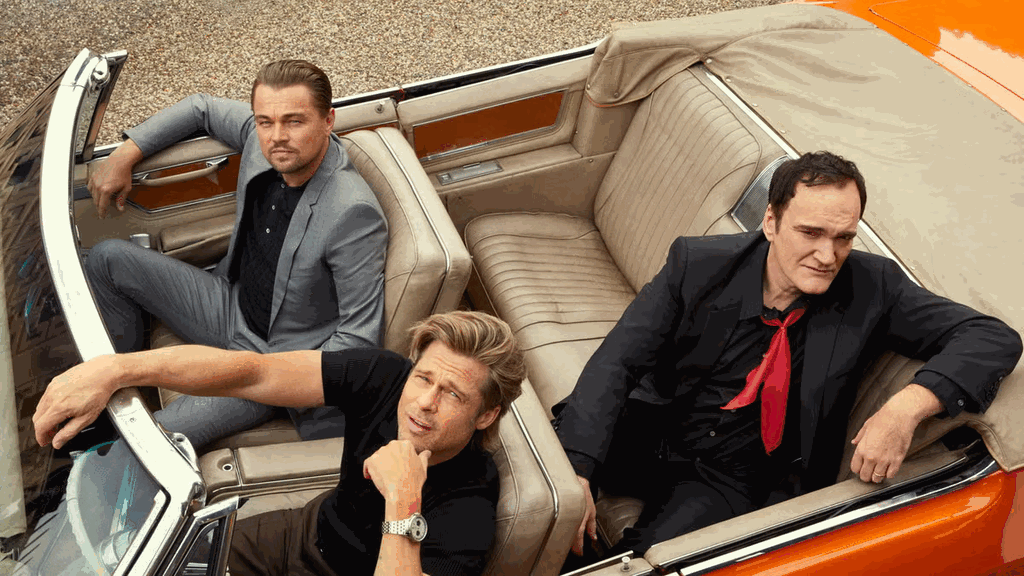
Leonardo DiCaprio and Brad Pitt revisit 1969 Los Angeles in Once Upon a Time in Hollywood.
Image Source: Esquire
Once Upon a Time in Hollywood (2019) follows fictional actor Rick Dalton, played by Leonardo DiCaprio, and his stunt double Cliff Booth, played by Brad Pitt. You spend time on television sets, Los Angeles roads, and Rick’s sofa as he worries about his fading career.
Margot Robbie plays Sharon Tate, whose everyday experiences give the film an affectionate connection to the period. The approaching Manson family murders create tension around these loosely connected lives.
Tarantino eventually changes the historical outcome, continuing his interest in fictional revenge and revised history. The film also gives sustained attention to working actors, stunt performers, and their friendships. Pitt won the supporting actor Oscar for his performance.
What Makes Tarantino’s Filmmaking So Recognizable
You recognize Tarantino through fractured timelines, conversations that stretch your nerves, and violence paired with carefully chosen music. His genre mixtures and rewritten histories also raise questions about whose suffering becomes entertainment.
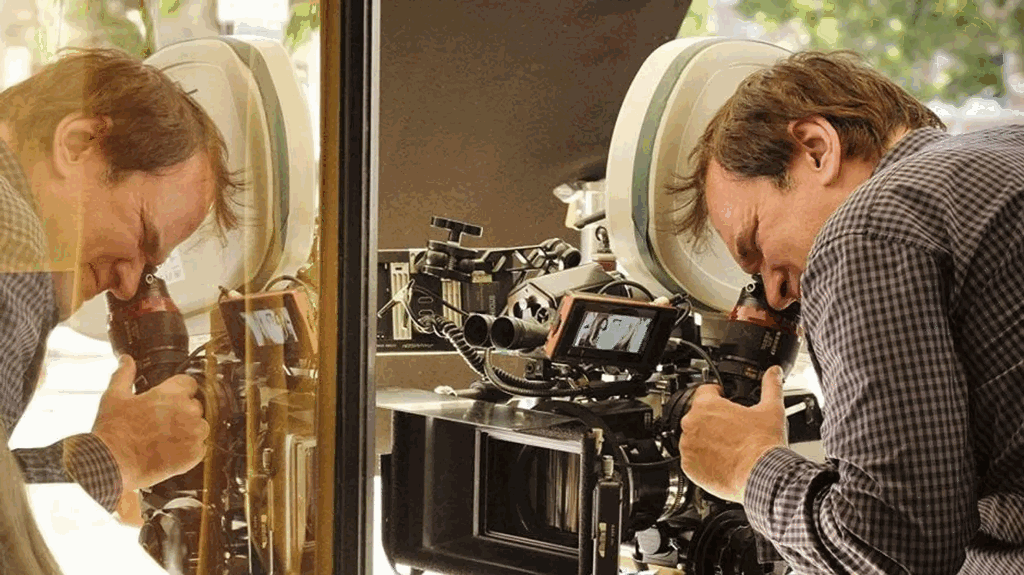
Fractured timelines and tense dialogue are hallmarks of Tarantino’s filmmaking.
Image Source: No Film School
Nonlinear Storytelling and Dialogue That Builds Tension
In Pulp Fiction, you follow intersecting crime stories out of chronological order. A character dies, then returns in an earlier episode. These nonlinear storylines shift your attention toward how events connect, with small decisions gaining significance as you piece together the timeline.
As a screenwriter, Tarantino gives everyday talk unusual weight. Arguments about burgers, tipping, and foot massages establish personalities and competing ideas about respect. You learn who wants control before anyone reaches for a gun.
The opening interrogation in Inglourious Basterds shows his slower approach to suspense. You watch Hans Landa maintain polite conversation while tightening his questioning. The scene builds tension through pauses, concealed information, and the growing threat beneath his courtesy.
Stylized Violence, Genre Mashups, and Musical Choices
Stylized violence, genre mashups, and bold soundtracks define the Tarantino experience.
You encounter stylized violence through exaggerated blood effects, abrupt attacks, and carefully staged confrontations. Kill Bill combines martial arts cinema, samurai films, and spaghetti westerns. Pulp Fiction draws on neo-noir through criminals, double-crosses, and dangerous chance encounters.
Death Proof pairs slasher-film conventions with car-chase action. Tarantino also served as cinematographer, giving you both deliberately distressed footage and extended views of practical driving stunts. His genre references shape the images, pacing, and physical action.
Music supplies another recognizable signature. In Reservoir Dogs, “Stuck in the Middle with You” accompanies torture, creating an unsettling mismatch between sound and action. In Pulp Fiction, surf rock helps establish the opening’s pace. You hear existing recordings become closely associated with specific scenes.
Early Life and the Road to Independent Film
You can trace Quentin Tarantino’s route into independent filmmaking through acting classes, video-store shifts, and low-budget experiments. Years before Reservoir Dogs, he was writing scripts and learning how to direct with friends.
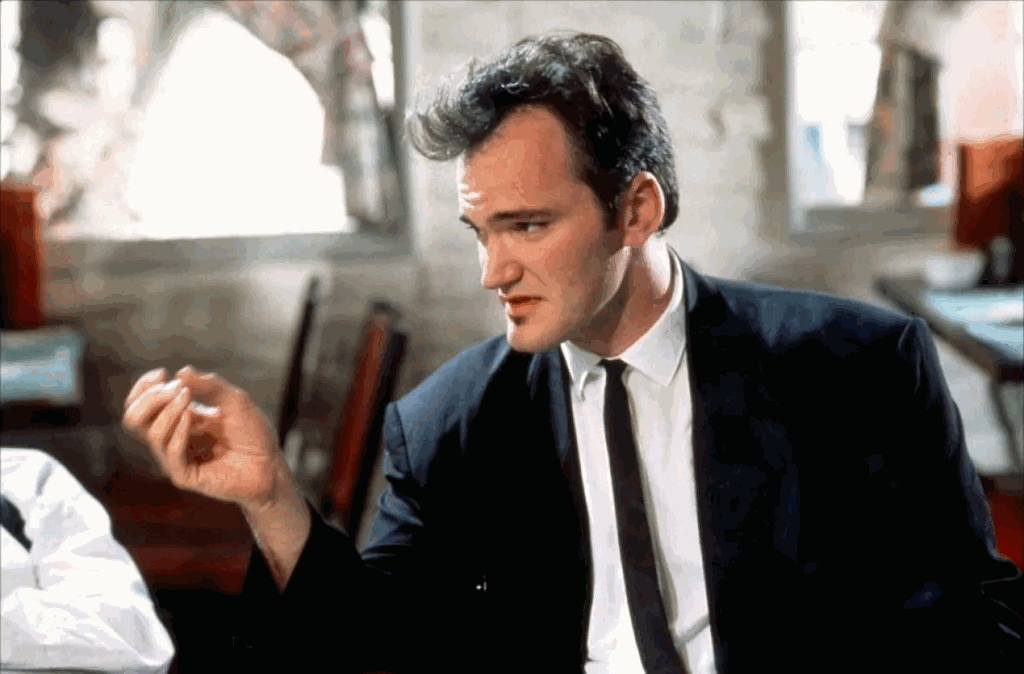
Acting classes and video-store shelves shaped Tarantino’s path to independent film.
From Knoxville to Acting Classes and Video-Store Shelves
Born on March 27, 1963, in Knoxville, Tennessee, Quentin Tarantino grew up in the Los Angeles area after moving there with his mother, Connie. She took him to movies from childhood, including films aimed squarely at adults.
He left high school as a teenager and pursued acting, studying at the James Best Theatre Centre. His ambition to become an actor gave him experience with dialogue and performance, both central to his later filmmaking.
By the mid-1980s, he worked at Video Archives in Manhattan Beach, California. If you visited the shop, you could encounter Tarantino recommending movies and debating them with fellow employee Roger Avary, who later shared his screenwriting Oscar for Pulp Fiction.
Early Experiments Before Reservoir Dogs
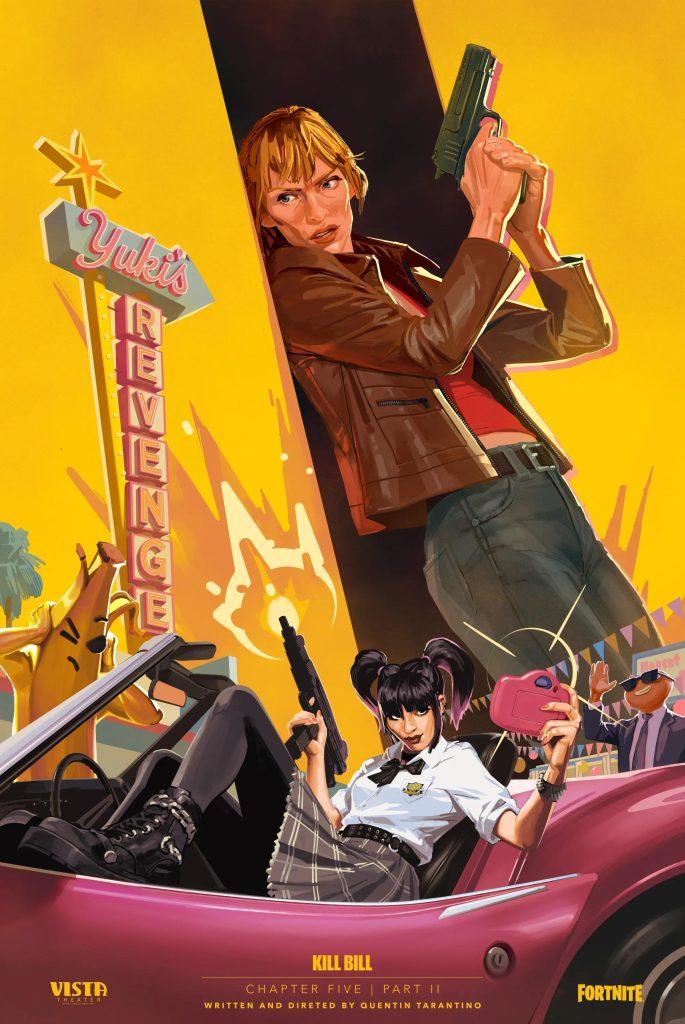
Tarantino’s earliest projects began years before his directorial debut.
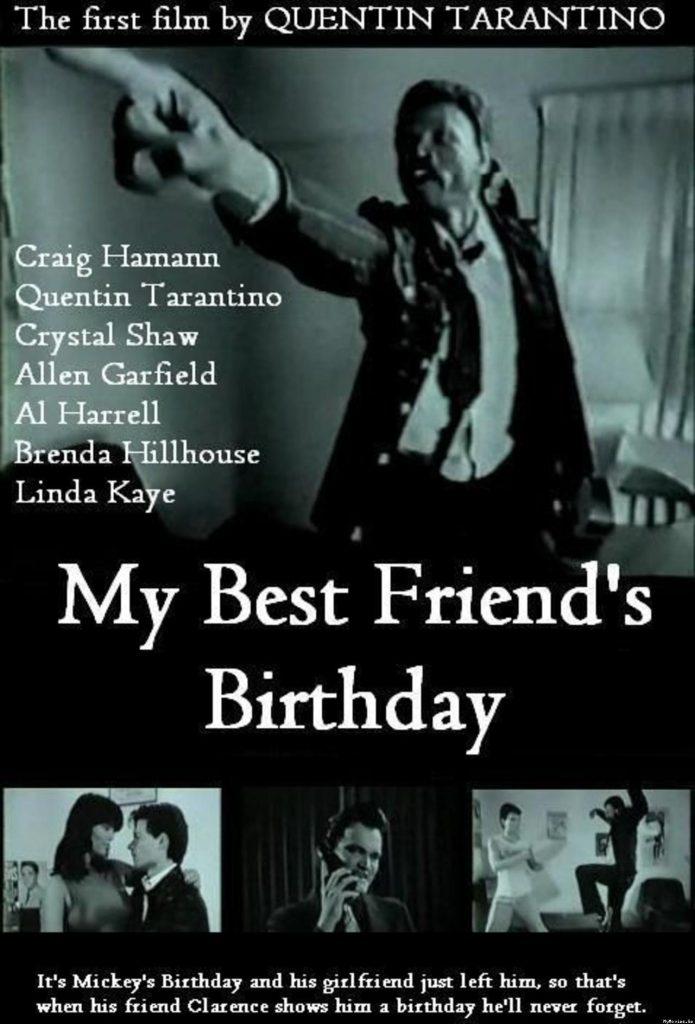
Writing scripts opened the door to Reservoir Dogs.
Tarantino’s earliest projects included Love Birds in Bondage, an abandoned collaboration with Scott Magill. He then worked with Craig Hamann on My Best Friend’s Birthday, a low-budget comedy shot over several years during the 1980s.
Only part of that film survives. Watching the surviving footage, you encounter an aspiring independent filmmaker testing dialogue, comic timing, and directing while also performing on screen.
Writing offered another route into production. Tarantino sold True Romance and developed Reservoir Dogs, initially planning a small production with friends.
Producer Lawrence Bender helped bring the script to Harvey Keitel, whose involvement attracted financing and an experienced cast. Reservoir Dogs premiered at Sundance in 1992, establishing Tarantino’s feature-directing career.
The Actors and Creative Partners Behind the Films
You’ll recognize Tarantino’s recurring collaborators in Samuel L. Jackson’s dialogue-heavy roles and Brad Pitt’s character work. His casting also brought renewed attention to Pam Grier and Robert Forster, while editor Sally Menke shaped his films’ pacing from Reservoir Dogs through Inglourious Basterds.
Samuel L. Jackson and a Lasting Screen Partnership
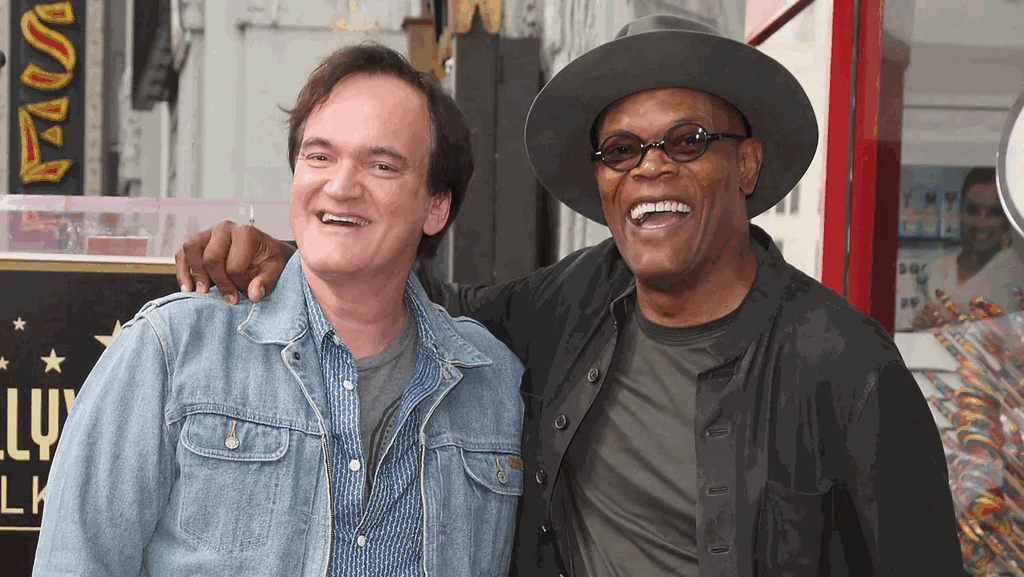
Samuel L. Jackson’s partnership with Tarantino began with Jules Winnfield in Pulp Fiction.
Image Source: Deadline
Samuel L. Jackson established his partnership with Tarantino as Jules Winnfield in Pulp Fiction (1994), earning an Oscar nomination. You hear the actor shift between casual conversation, threats, and self-examination, sometimes within the same scene.
Tarantino continued giving Jackson distinct characters: gunrunner Ordell Robbie in Jackie Brown, Stephen in Django Unchained, and bounty hunter Major Marquis Warren in The Hateful Eight. Each role draws on his precise delivery and control of a scene.
You also hear Jackson narrate part of Inglourious Basterds and see him briefly as a church organist in Kill Bill: Volume 2. Their collaboration stretches from leading performances to appearances lasting only minutes.
Brad Pitt, Leonardo DiCaprio, and Ensemble Casting
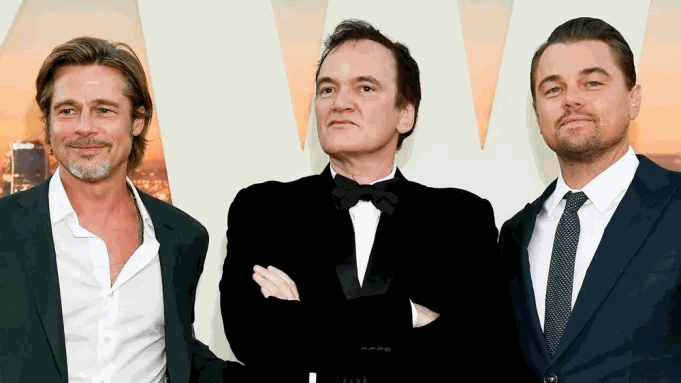
Brad Pitt and Leonardo DiCaprio anchor the ensemble casts of Tarantino’s later films.
Image Source: Variety
Brad Pitt first starred for Tarantino as Lieutenant Aldo Raine in Inglourious Basterds (2009), alongside an international ensemble that included Mélanie Laurent, Christoph Waltz, and actor-director Eli Roth. You follow several intersecting plots as their characters pursue separate plans against Nazi leadership.
Leonardo DiCaprio joined Tarantino for Django Unchained (2012), playing plantation owner Calvin Candie. He later partnered with Pitt in Once Upon a Time in Hollywood (2019).
There, DiCaprio plays anxious television actor Rick Dalton, and Pitt plays his stunt double, Cliff Booth, a performance that won Pitt a supporting-actor Oscar. You understand their friendship through everyday routines: driving around Los Angeles, running lines, and watching television together. Those moments give the large ensemble a clear emotional center.
Major Awards and Tarantino’s Influence on Cinema
Quentin Tarantino’s two screenplay Oscars and Cannes victory mark key achievements in his career. You also see his influence in the nonlinear crime stories and dialogue-heavy films that followed Pulp Fiction.
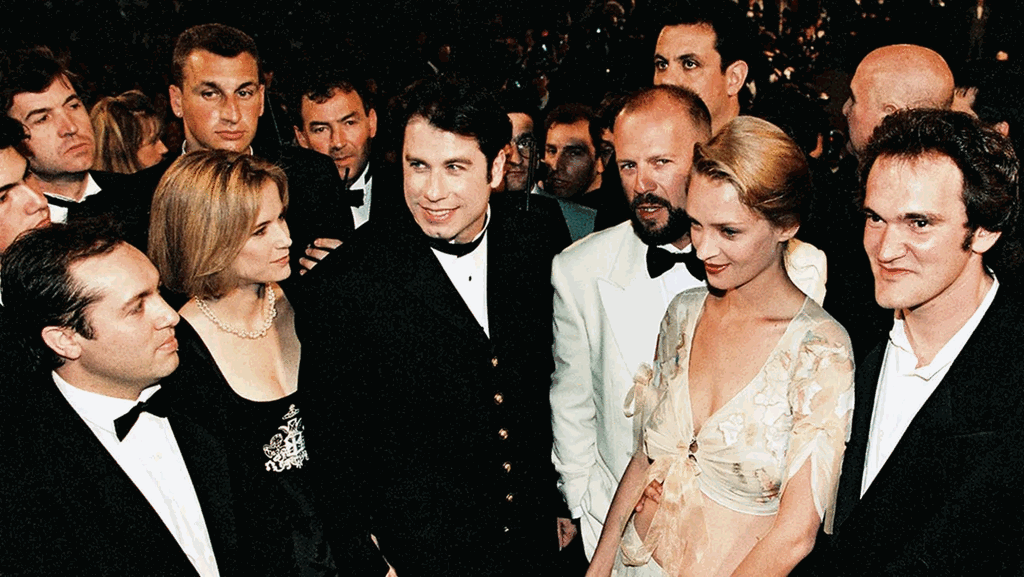
Two screenplay Oscars and a Palme d’Or highlight Tarantino’s influence on cinema.
Image Source: The Hollywood Reporter
Screenplay Oscars and the Palme d’Or
Tarantino has won the Academy Award for Best Original Screenplay twice:
- 1995: Pulp Fiction, sharing the award with Roger Avary.
- 2013: Django Unchained, which he wrote alone.
Pulp Fiction also won the Palme d’Or at the 1994 Cannes Film Festival. Its seven Academy Awards nominations included Best Picture and Best Director, bringing an independent filmmaker into the center of Hollywood’s awards season.
You can recognize the writing behind those honors in the films’ distinctive conversations, carefully timed revelations, and intersecting character stories. Pulp Fiction rearranges its chronology, while Django Unchained combines a rescue story with the conventions of a Western. Both give extended dialogue a central role in building tension.
Other Wins, Nominations, and His Independent-Film Legacy
Tarantino earned a BAFTA Award for each of his Oscar-winning screenplays. His Golden Globe Award wins for screenwriting recognize Pulp Fiction, Django Unchained, and Once Upon a Time in Hollywood.
His television work earned recognition too: directing the 2005 CSI episode “Grave Danger” brought him a Primetime Emmy Award nomination.
You see his independent-film legacy most clearly in Pulp Fiction’s commercial success. It earned more than $100 million domestically, encouraging distributors to pursue independent films with mainstream appeal.
Its success also helped expand Miramax’s industry standing. Filmmakers adopted Tarantino’s fractured timelines, pop-culture conversations, and sudden shifts in tone, making his storytelling choices familiar features of late-1990s crime cinema.
Upcoming Projects and the Question of a Final Film
If you’re waiting for Quentin Tarantino’s final directing credit, his plans now involve three separate projects: the abandoned The Movie Critic, a Cliff Booth screenplay for David Fincher, and the stage comedy The Popinjay Cavalier.
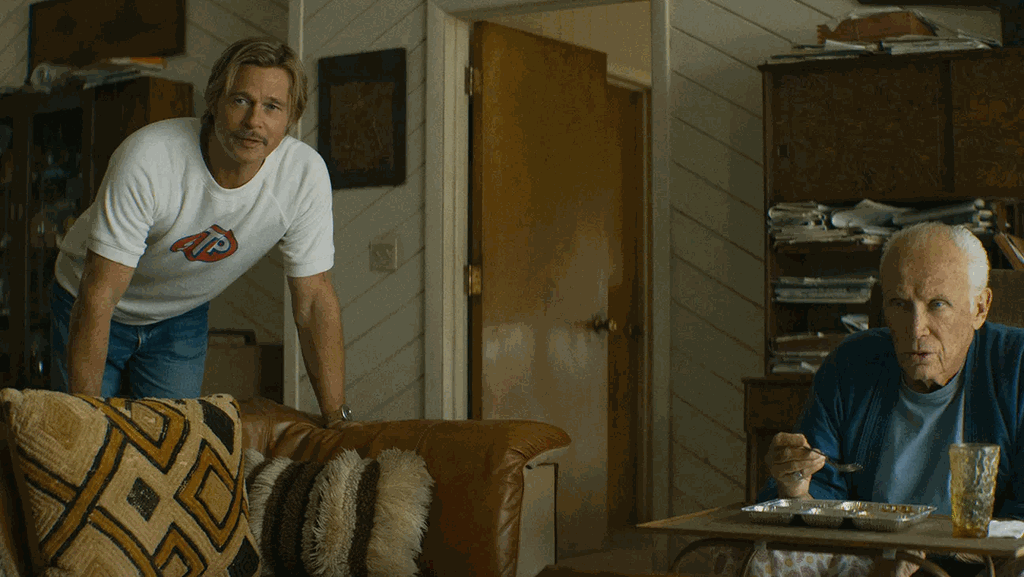
Tarantino’s upcoming projects may shape the final film of his ten-film plan.
The Movie Critic and His Ten-Film Plan
Tarantino has repeatedly said he intends to stop directing features after ten films. By his count, Once Upon a Time in Hollywood was his ninth, with both Kill Bill installments counting as one.
The Movie Critic initially looked set to complete that list. Tarantino described a story set in 1977 California, inspired by a film reviewer whose work he read as a teenager. Despite early speculation, that reviewer was not Pauline Kael.
In April 2024, reports confirmed that Tarantino had abandoned the project. Its development had included a version involving Brad Pitt’s Cliff Booth. For your watchlist, the key distinction is a canceled project versus an abandoned retirement plan: Tarantino continued discussing a tenth film after dropping this screenplay.
The Cliff Booth Project With David Fincher
You still have another route back into the world of Once Upon a Time in Hollywood. Trade reporting identified a Netflix project, widely called The Adventures of Cliff Booth, with Brad Pitt returning as the stuntman and David Fincher directing a screenplay by Tarantino.
That division of responsibilities matters to Tarantino’s ten-film promise. His stated limit concerns features he directs, so a Fincher-directed production occupies a separate place in his career.
The project also continues a character Tarantino developed beyond the original film, including in his 2021 Once Upon a Time in Hollywood novelization. You should distinguish its reported development from The Movie Critic: the projects share creative history, while Fincher’s involvement establishes a different directing arrangement.
The Popinjay Cavalier and His Move Toward Theatre
The Popinjay Cavalier gives you another indication of where Tarantino wants to spend his creative time. He has discussed the project as a stage comedy intended for London, with plans to direct it himself.
Reports describe a period-set, swashbuckling farce. Its theatrical format fits his longstanding interest in sustained dialogue, confined settings, and characters who reveal themselves through conversation.
For your understanding of his retirement plans, feature filmmaking remains the specific limit. Tarantino has separately expressed interest in plays, books, and television. Developing The Popinjay Cavalier gives him a substantial writing and directing commitment while leaving the identity of his tenth feature unresolved. While you wait for his next move, browse the upcoming movies at TGV.
Movies You'll Love
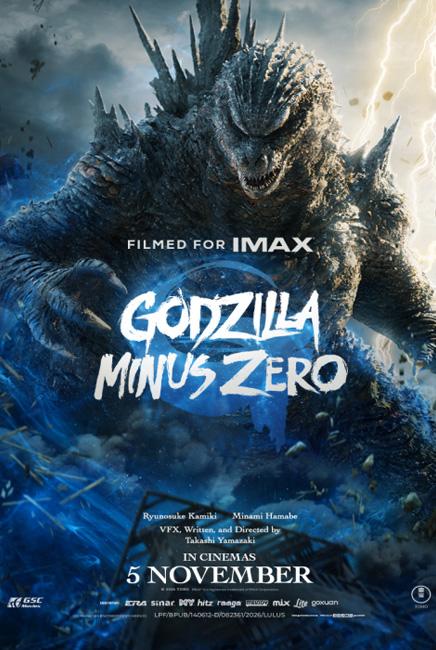
Godzilla Minus Zero
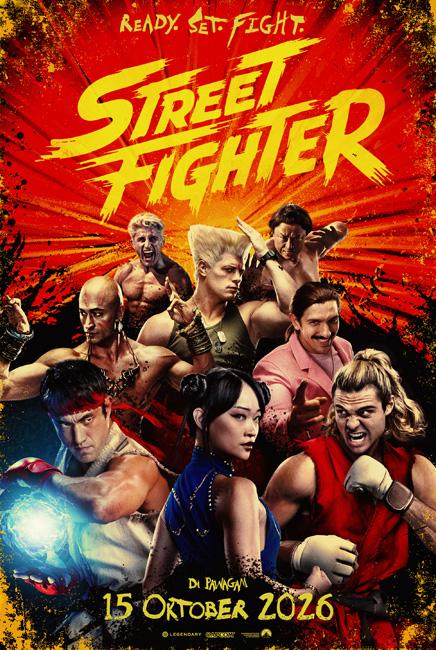
Street Fighter
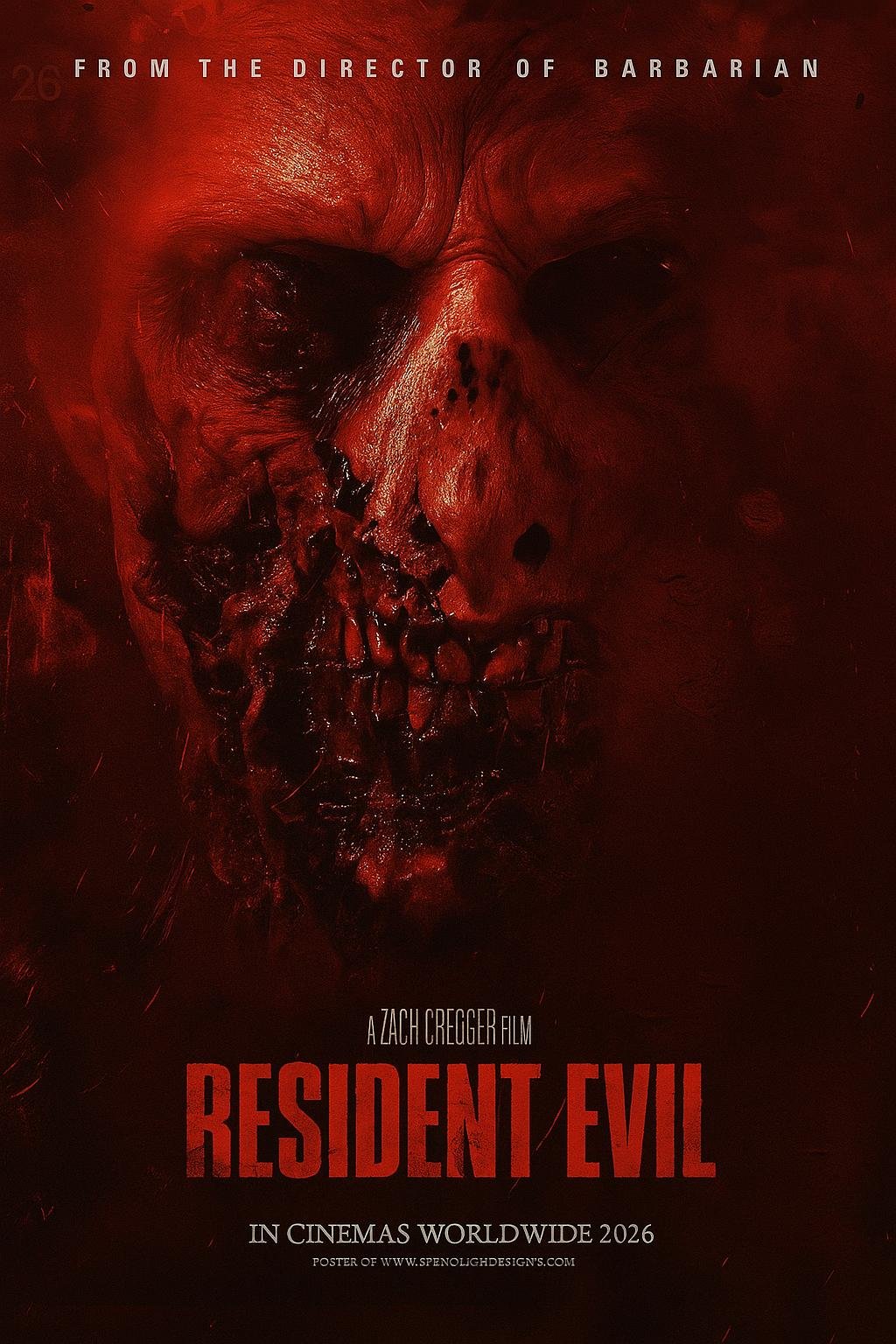
Resident Evil
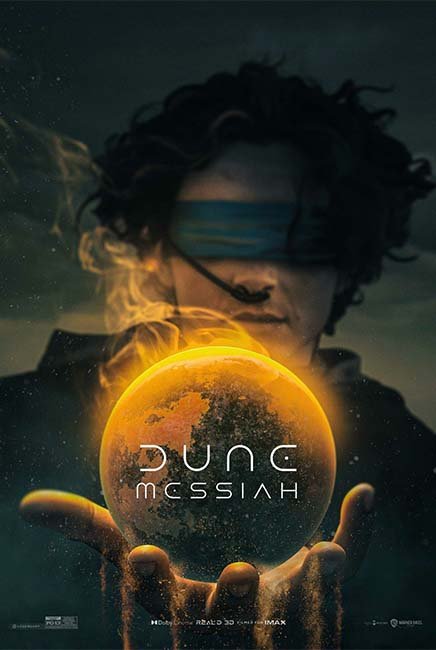
Dune: Part Three
Narnia: The Magician's Nephew


TRENDING
MOVIES YOU'LL LOVE
The Hunger Games: Sunrise on The Reaping
Godzilla Minus Zero
Street Fighter
Resident Evil
Dune: Part Three
Narnia: The Magician's Nephew
Man Of Tomorrow
Avengers: Secret Wars
The Batman Part II
Fast Forever
Top Gun 3
Michael 2
Avatar 4
Avatar 5
Demon Slayer: Kimetsu no Yaiba - Infinity Castle 2

Demon Slayer: Kimetsu no Yaiba - Infinity Castle 3
F1® The Movie 2