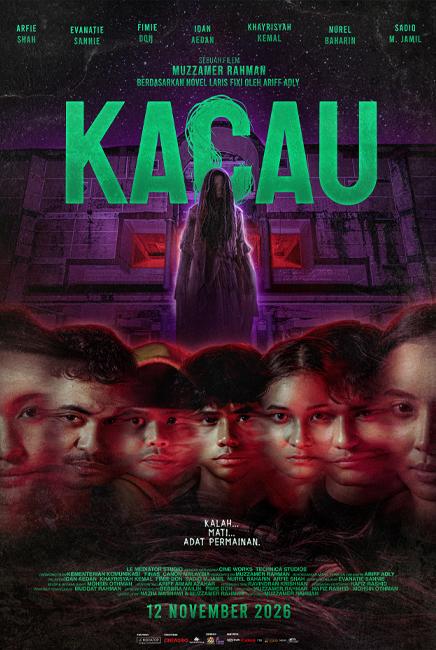
Kacau

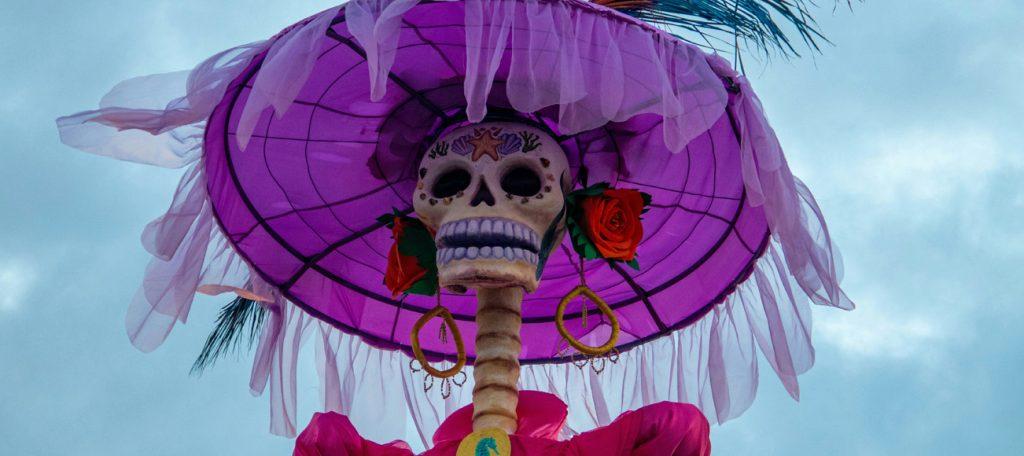
The Origin of the Day of the Dead
The Day of the Dead is a Mexican holiday when families honor loved ones who have died. Its roots reach into Indigenous Mesoamerican traditions, including Aztec ceremonies that honored the dead through offerings and communal rituals.
You encounter that heritage today in the food, flowers, and care families bring to remembering their ancestors.
The holiday continues to evolve within Mexican culture, with traditions that vary by region and community.
You might see home altars filled with photographs, marigolds, candles, and a relative’s favorite meal, or families tending graves together. These acts give remembrance a place in everyday life, right down to making room for someone’s favorite bread.
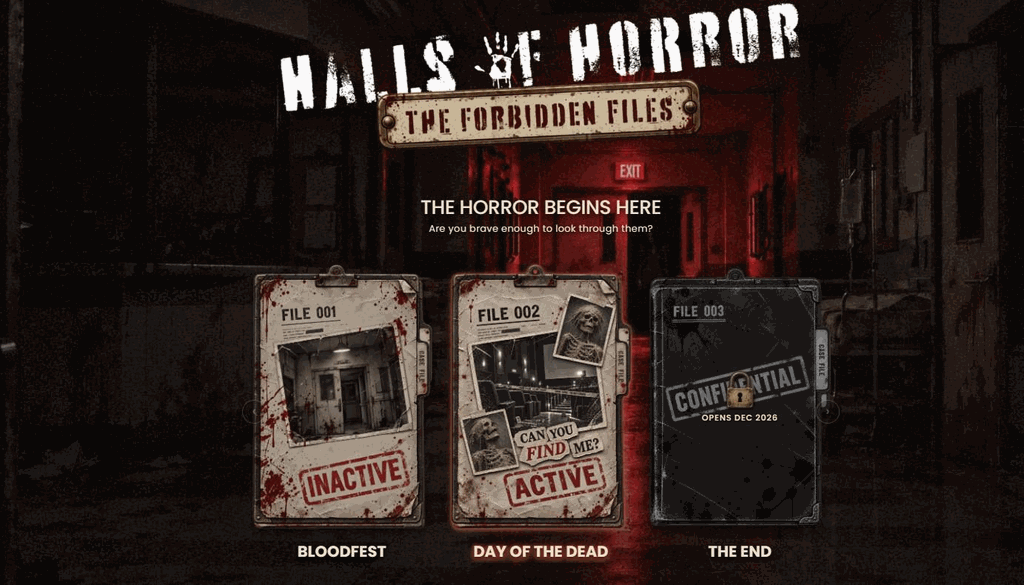
And if you wish to venture into the deeper depths of Death, muster your courage and explore TGV’s Hall of Horror here!
How Is the Day of the Dead Celebrated in Mexico
When you experience Day of the Dead in Mexico, you’ll see families honoring deceased loved ones through food, flowers, prayer, and shared memories. The main observances fall on Nov 1 and 2, with preparations and local rituals beginning earlier.
At the heart of the celebration, you’ll find ofrendas, home altars holding photographs, candles, marigolds, and favorite foods of the deceased. These offerings welcome loved ones’ souls back for a brief visit, reflecting traditions that combine Indigenous beliefs with Catholic observances.
Further reading: Bloodmonsters in Different Cultures and Folklores
You’ll encounter several activities, with customs varying by community:
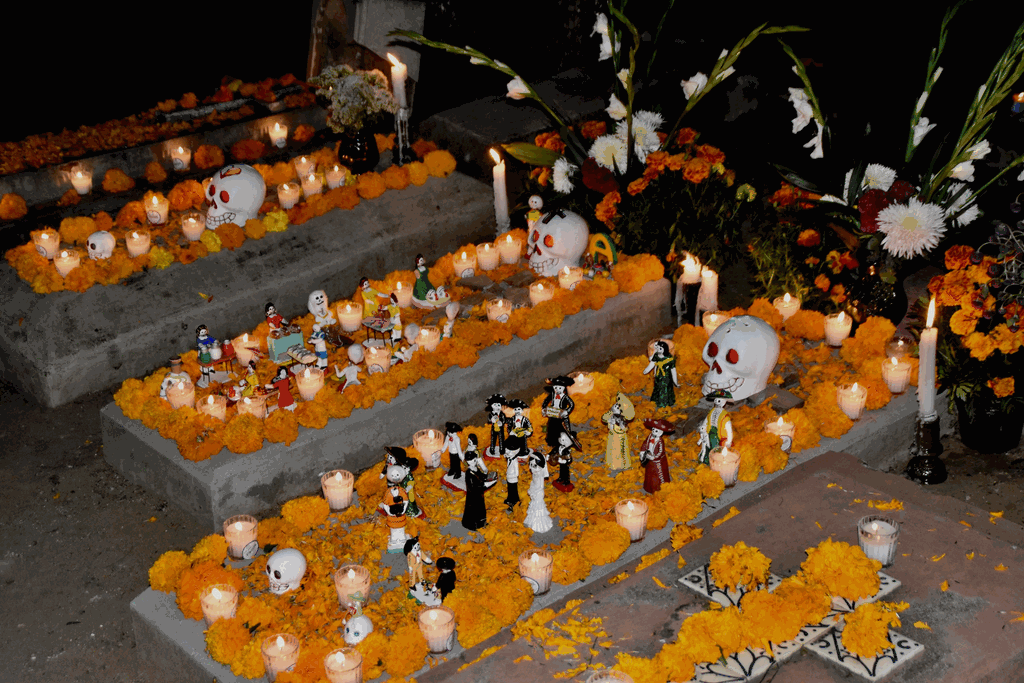
1. Cemetery Visits
Families clean graves, arrange flowers, and gather to pray, share stories, or keep overnight vigils.
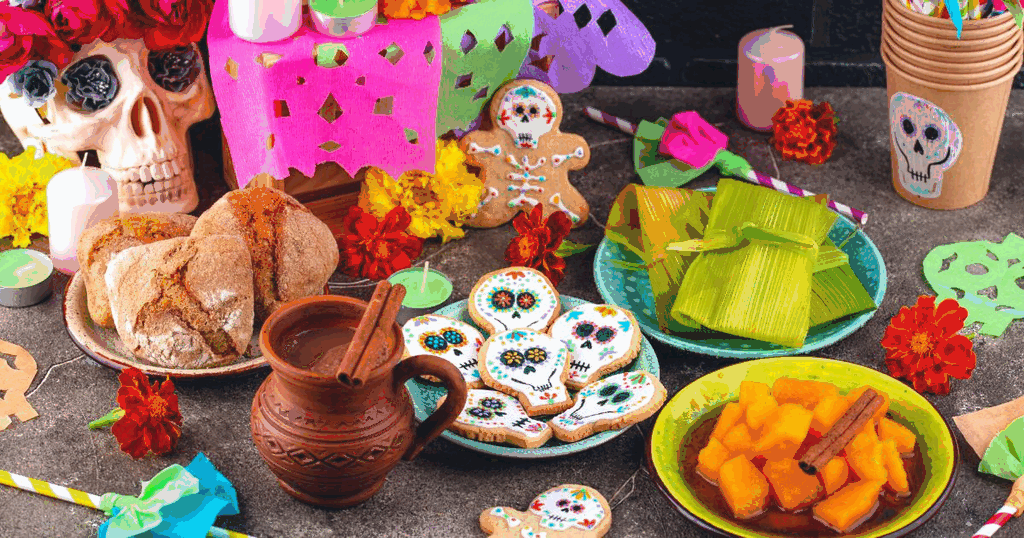
2. Seasonal Food
You’ll find pan de muerto, a sweet bread, alongside tamales, fruit, and dishes chosen for the person being remembered.
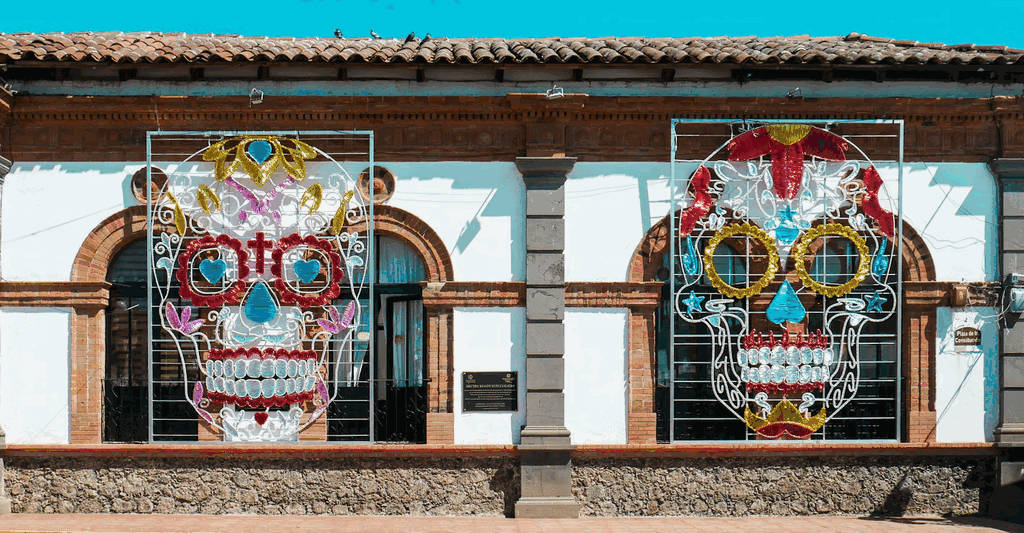
3. Decorations in Public Spaces
Marigold petals mark paths to guide returning souls, while cut-paper banners decorate altars and public spaces.
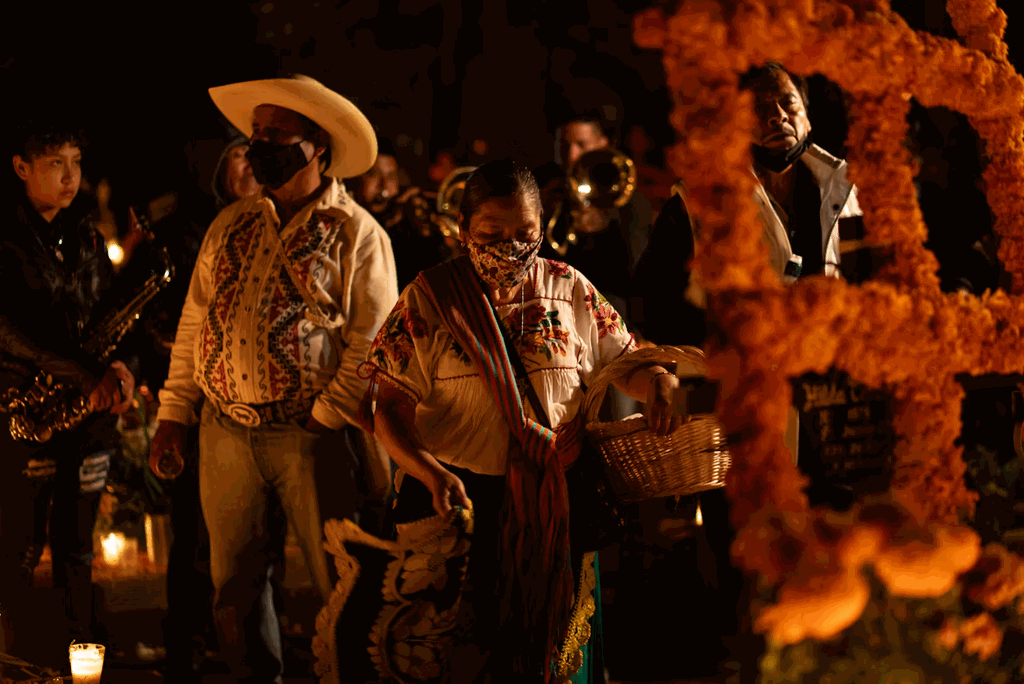
4. Public Celebrations
In Mexico City, you’ll see parades, elaborate skeleton costumes, and painted faces inspired by La Catrina. Your experience will differ across Mexico.
Around Lake Pátzcuaro in Michoacán, some Purépecha communities hold candlelit cemetery vigils; in Oaxaca, you’ll encounter neighborhood processions called comparsas.
Cultural Festivals in Malaysia Related to Death
In Malaysia, we do have our death-themed festivals as well. As we’re a multiracial country, the way death is remembered differs based on religion and race.
Also, if you are interested in horror movies coming to Malaysian cinemas, be sure to check out TGV’s coming soon list here!
Here are some of the death-themed festivals
1. Hari Moyang
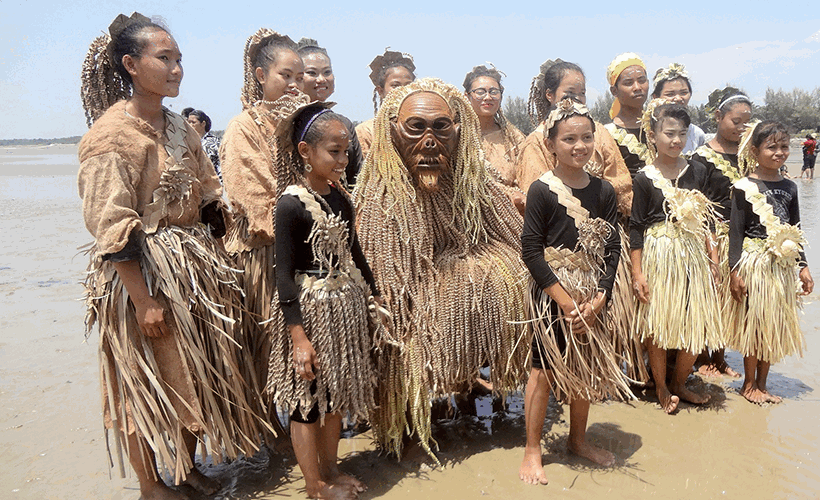
Image Source: Zafigo
At Hari Moyang, you encounter the ancestor-honouring traditions of the Mah Meri, an Indigenous community in Malaysia. Families on Carey Island, Selangor, gather to remember their ancestors, express gratitude for past blessings, and ask for protection and prosperity.
You’ll see ceremonial offerings, prayers, and the Main Jo-oh dance, accompanied by traditional music. Dancers wear intricately carved wooden masks representing ancestral spirits, bringing the community’s craftsmanship into its spiritual rituals.
If you plan to attend, check the date with local organisers. Community elders choose the timing according to the lunar cycle, so the festival falls on different dates each year.
As a visitor, you’re entering a living religious tradition. Ask permission before photographing ceremonies or participants, and follow your hosts’ guidance around offerings and sacred spaces.
2. Hungry Ghost Festival
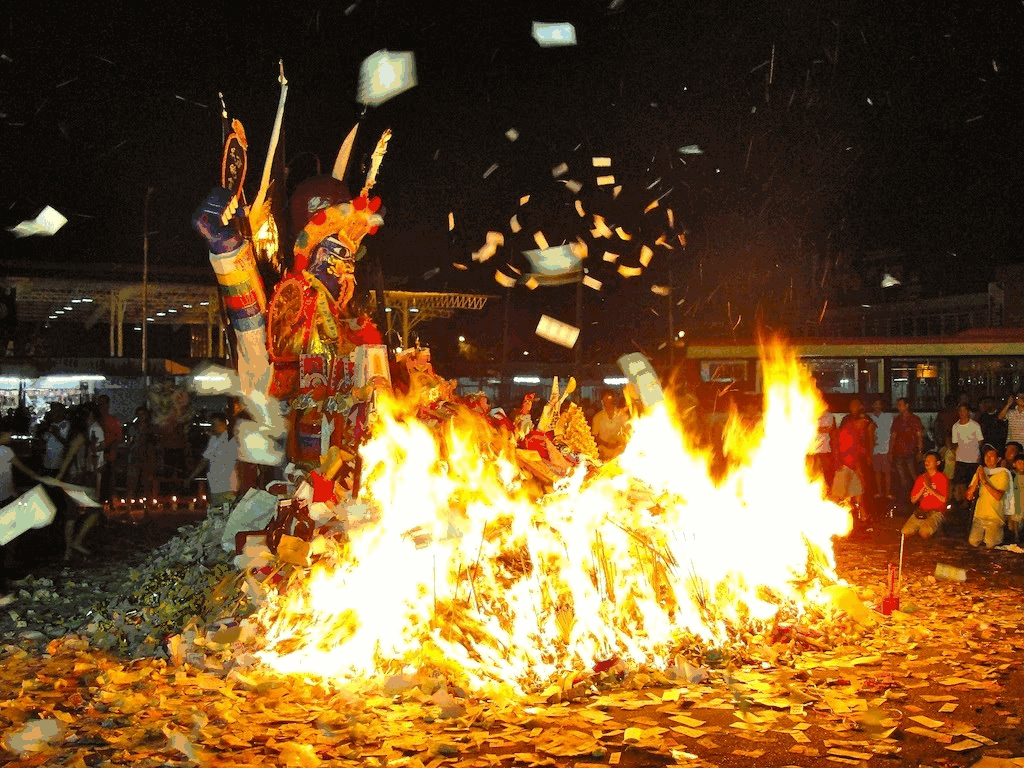
Image Source: Vulcan Post
If you explore traditions that honor the dead, you’ll find the Hungry Ghost Festival in Chinese communities across East and Southeast Asia. Rooted in Buddhist and Daoist traditions, it falls on the 15th day of the seventh lunar month, during Ghost Month.
According to traditional beliefs, spirits return to the living world during this month. You’ll encounter rituals honoring ancestors and offerings for wandering spirits, including those with no relatives to care for them.
Depending on where you visit, you might see these customs:
- Food offerings: Families and communities set out rice, fruit, tea, and other foods for spirits.
- Incense and paper offerings: Participants burn incense, paper money, and paper goods as gifts for the deceased.
- Prayers and performances: Temples hold ceremonies, while some communities stage opera or getai, live music shows intended to entertain spirits and human audiences.
At some performances, you’ll notice empty seats in the front row. Organizers reserve them for spirit guests, so check before you settle in.
3. Mahalaya Amavasai
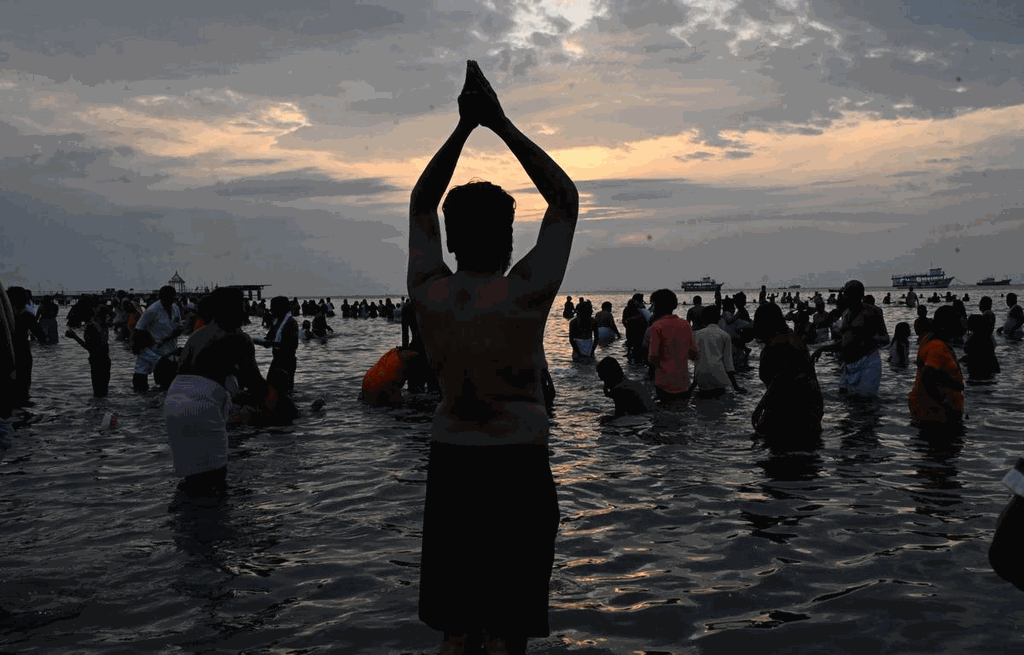
Image Source: The Hindu
Mahalaya Amavasai is a Hindu observance dedicated to remembering your ancestors. It falls on the new moon at the end of Pitru Paksha, the fortnight devoted to departed relatives, during September or October.
In Tamil tradition, the observance falls in the month of Purattasi. You honour your family’s ancestors collectively, including those whose date of death is unknown. Hindu belief connects these offerings with seeking peace for ancestral souls and blessings for the living.
If you observe Mahalaya Amavasai at home, you might join family prayers and prepare offerings according to your tradition. The day gives you time to remember the people who came before you, with food, gratitude, and family close at hand.
Cultural Impact of the Day of the Dead Worldwide
You can encounter Mexico’s Day of the Dead festival in community celebrations from Los Angeles to Madrid. Mexican communities abroad share ofrendas, music, and food, bringing traditions of remembrance to new audiences while maintaining connections with home.
Books Relating to The Day of the Dead
In Day of the Dead, written by Tony Johnston and illustrated by Jeanette Winter, you follow a Mexican family preparing to honor deceased relatives. Picture books like this introduce young readers worldwide to cemetery visits, offerings, and family memories.
Fashion Relating to The Day of the Dead
You see the influence of La Catrina, the elegantly dressed skeleton associated with the holiday, in elaborate hats, floral accessories, and skeletal makeup. Mattel’s Día de Muertos Barbie collection, launched in 2019, brings these references into collectible doll fashion.
Games Relating to The Day of the Dead
In Grim Fandango, you explore a fictional afterlife shaped by Mexican folklore and Day of the Dead imagery. Its skeletal characters helped introduce the holiday’s visual traditions to international gaming audiences.
Movies Relating to The Day of the Dead
Pixar’s Coco (2017) brought ofrendas, marigolds, and remembrance into cinemas worldwide. You can also trace an unusual exchange between fiction and celebration through Spectre (2015): its opening parade helped inspire Mexico City’s large public Day of the Dead parade, first held in 2016.
Movies You'll Love
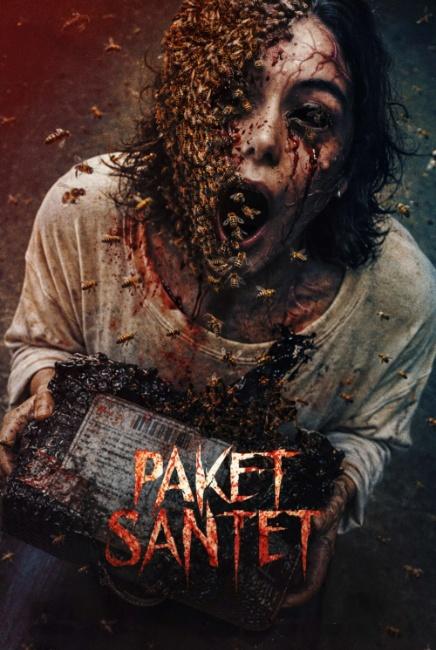
Paket Santet
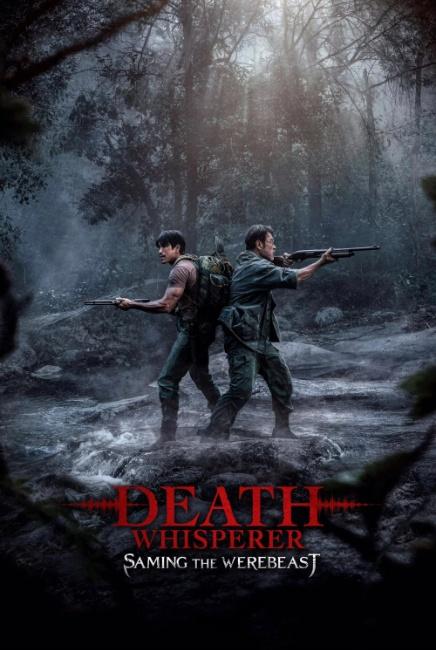
Death Whisperer: Saming The Werebeast
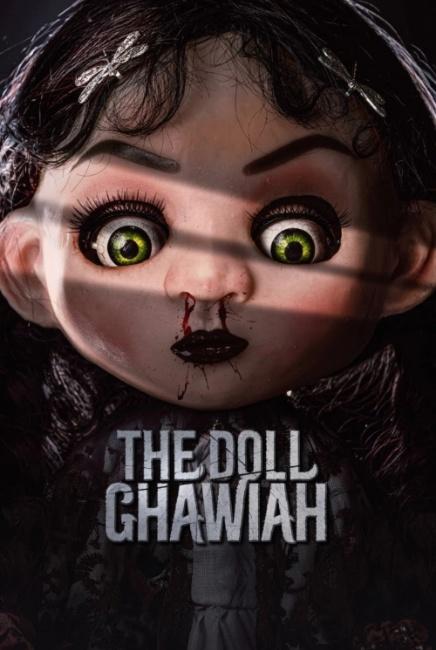
The Doll Ghawiah
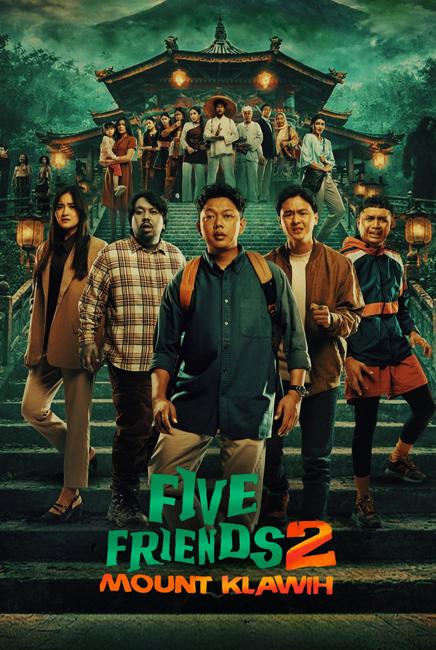
Sekawan Limo 2: Gunung Klawih

Petaka Gunung Welirang


TRENDING
MOVIES YOU'LL LOVE
Kacau
Paket Santet
Death Whisperer: Saming The Werebeast
The Doll Ghawiah
Sekawan Limo 2: Gunung Klawih
Petaka Gunung Welirang

Clayface
Confessions of a Shaman
The Rope Curse 4: Kuntilanak 粽邪4:坤蒂拉娜
Resident Evil
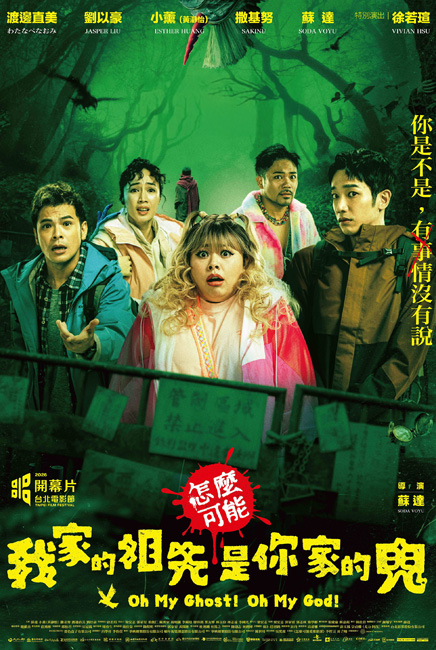
Oh My Ghost! Oh My God! 怎么可能我家的祖先是你家的鬼
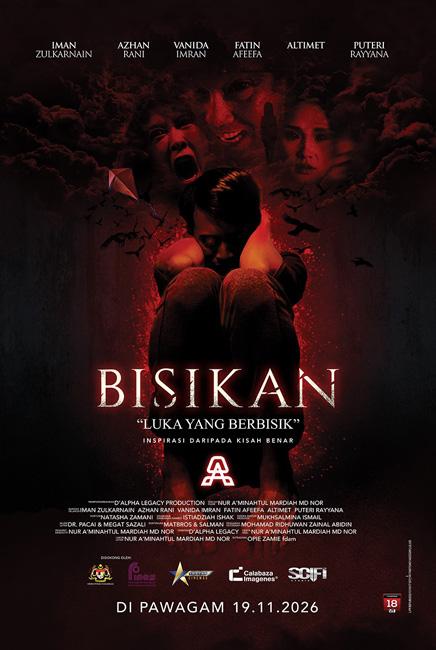
Bisikan

Werwulf

Evil Dead Wrath

A Quiet Place Part III

Final Destination 7

The Conjuring: First Communion

Kisah Bawah Tanah
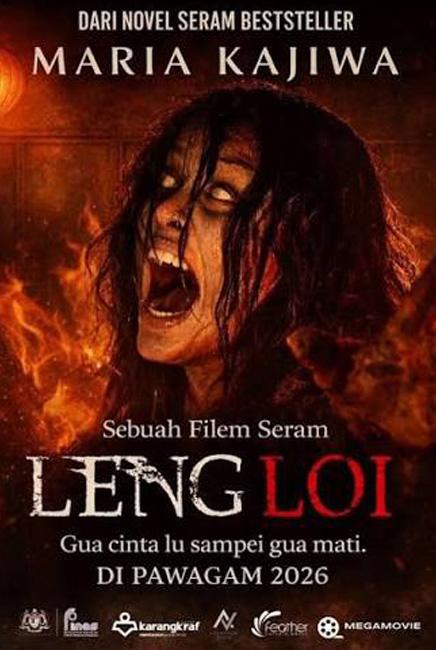
Leng Loi